
G Dragon 2026 Comeback: BIGBANG’s Return and K-Pop’s Major Label Announcements
The global K-pop industry is currently experiencing a significant wave of scheduled returns from prominent second and third-generation acts. Among the most anticipated events is the G Dragon 2026 Comeback, which aligns with broader industry movements involving legendary groups preparing for highly publicized releases. Recent announcements from major entertainment agencies have confirmed a series of comebacks, highlighting the sustained commercial viability and international reach of veteran idol groups.
Scheduled Releases from Leading Agencies
The upcoming quarter features a concentrated lineup of album drops and promotional activities from established entertainment companies. SM Entertainment announced that Exo will release their eighth studio album, “REVERXE,” on the 19th, marking the group’s return after approximately two years and six months. The album’s title track, “Crown,” is described as a hard dance track that blends Atlanta trap drums, heavy metal guitar, and EDM synth elements, intentionally crossing traditional genre boundaries. The lyrical theme compares a cherished presence to a crown, expressing a determination to protect it at all costs. The record will also feature previously previewed tracks, including the cozy winter song “I’m Home,” which debuted at a year-end fan meeting, and “Back It Up,” which was revealed through a high-intensity performance at the “MMA 2025” awards. Additional tracks such as “Crazy,” depicting the emotions of being trapped in a love snare, and “Suffocate,” which delivers the pain of separation with a restrained groove, are included. Notably, due to ongoing legal disputes with the agency involving certain members, Exo will promote the album and conduct activities as a six-member unit.
YG Entertainment confirmed that Blackpink, celebrating their tenth anniversary this year, will return as a complete unit on February 27 with their third mini-album, “DEADLINE.” This marks their first full-group release in three years and five months, following their second studio album, “Born Pink,” released in September 2022. The group’s previous commercial performance includes securing the number one spot on the Billboard 200, making them the first K-pop girl group to achieve this with the album. Additionally, their digital single “JUMP,” released last year, reached number one on the Billboard Global 200, marking the third time a Blackpink track has topped that chart and establishing a record for K-pop girl groups.
BTS has officially declared a full-group comeback scheduled for March 20. The group will release their fifth studio album, which arrives three years and nine months after their 2022 anthology album “Proof.” This will be their first full studio album in six years and one month, following the release of “MAP OF THE SOUL : 7” in February 2020.
G Dragon 2026 Comeback Details and BIGBANG’s Strategy
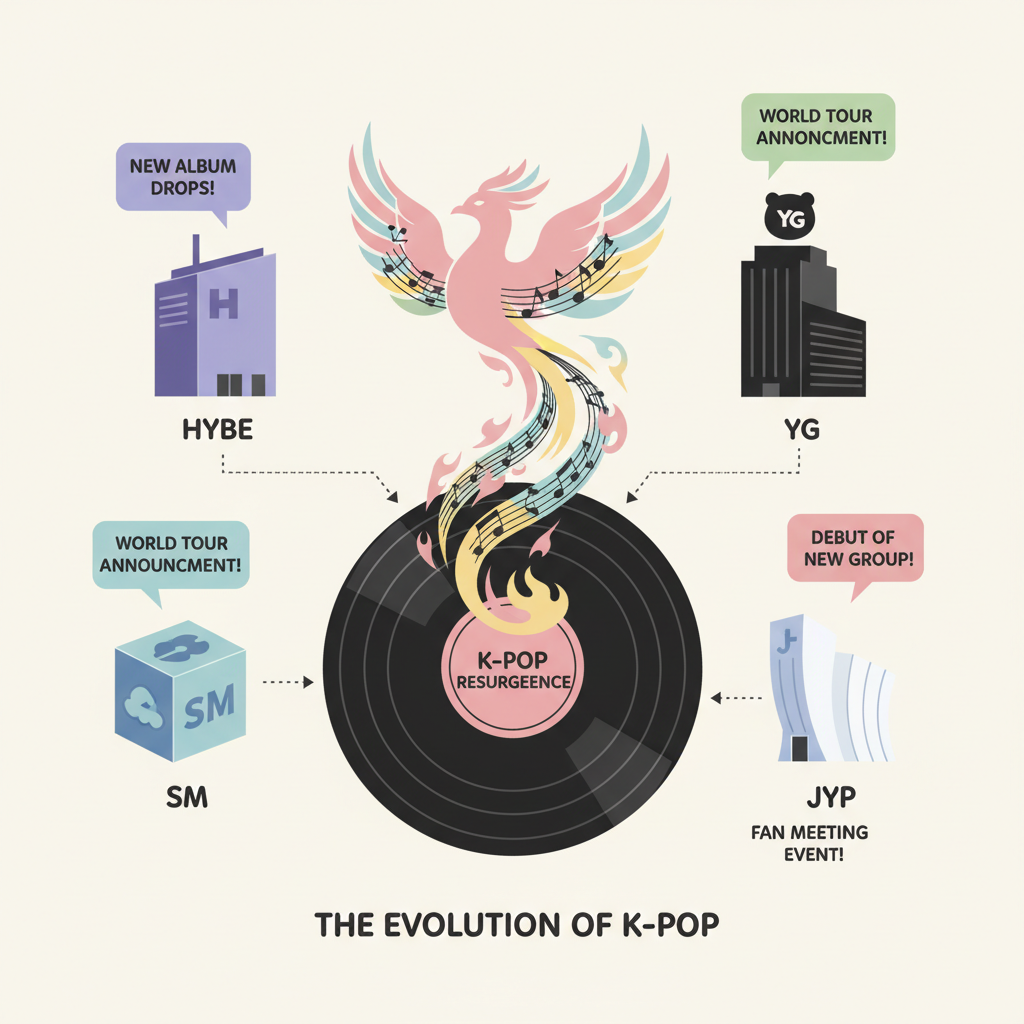
Within this landscape of veteran returns, BIGBANG is preparing for an April comeback. Specifics regarding the group’s promotional strategy have been partially outlined through recent public statements. Member G-Dragon revealed during his concert late last year that he, alongside members Taeyang and Daesung, plans to initiate their promotional activities in the United States. Based on available industry reports, the group’s official return stage is projected to take place at the Coachella Festival, a major American music event held in April. This strategic focus on the U.S. market aligns with the broader trajectory of K-pop veteran groups seeking to consolidate their international fanbases through high-profile festival appearances. The coordination of activities between G-Dragon, Taeyang, and Daesung suggests a structured rollout for the group’s upcoming project, with initial engagements centered on North American markets.
Industry Trends and Market Positioning
The simultaneous scheduling of these comebacks underscores the enduring relevance of second and third-generation idol groups in the global music market. Despite extended hiatuses ranging from over two years to more than six years, these acts continue to generate significant media attention and commercial anticipation. The variation in comeback formats—ranging from full-unit album releases to festival-centric stage debuts—demonstrates the adaptability of veteran agencies in tailoring promotional strategies to current market conditions. Factors such as member availability, as seen in the six-member promotion for Exo, and strategic geographic rollouts, as indicated for BIGBANG, play a decisive role in shaping release timelines. The integration of diverse musical genres, sustained chart performance on international platforms like Billboard, and the utilization of high-capacity music festivals indicate a mature phase for these established groups, focusing on sustained global engagement rather than traditional domestic promotional cycles.

As the release dates approach, industry observers are monitoring how these veteran acts will navigate the current competitive landscape. The coordinated announcements from SM Entertainment, YG Entertainment, and independent group activities confirm a highly active period for legacy K-pop artists. With detailed tracklists, confirmed chart histories, and strategic international festival bookings already disclosed, the upcoming months will serve as a critical benchmark for the sustained commercial impact of second and third-generation idol groups in the global music industry.
About the Author