Viral Tteokbokki Trend: How Korean Spicy Rice Cakes Are Capturing Global Audiences
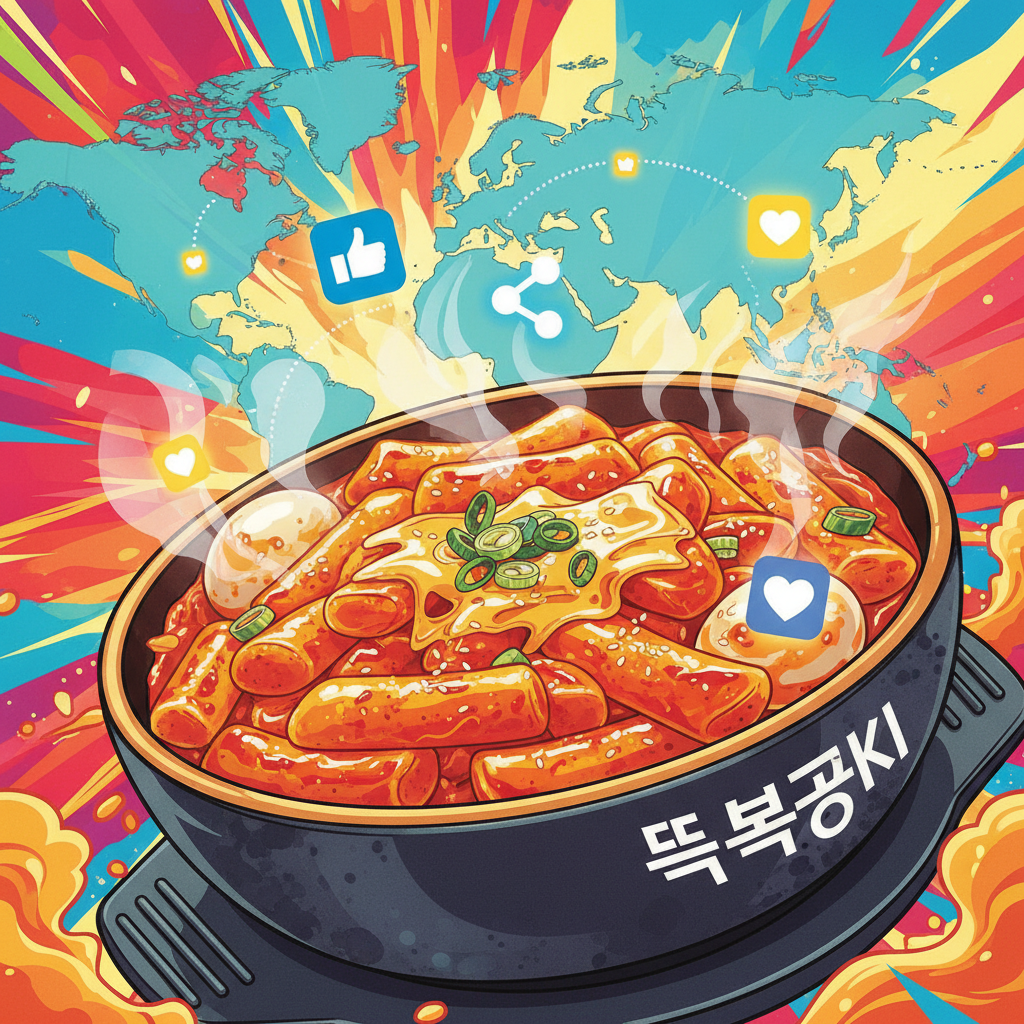
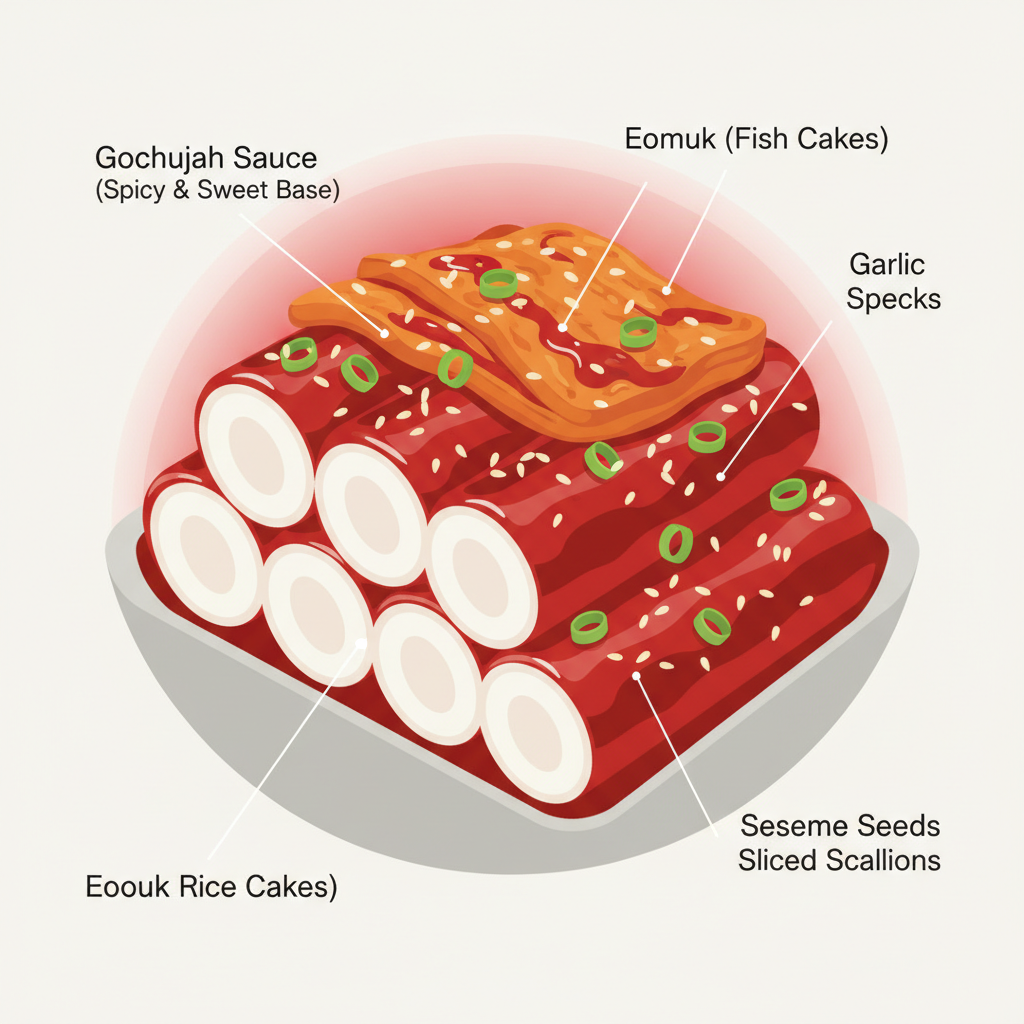
The Viral Tteokbokki Trend has emerged as a notable phenomenon in the global spread of Korean street food, driven by social‑media challenges and tourist interest. According to recent coverage, foreigners are actively sharing videos of themselves eating tteokbokki on platforms such as YouTube Shorts, often reacting with tears and sweat as they tackle varying levels of spiciness. These videos typically show participants starting with a milder version made with less gochujang and progressing to an “극강의 매운맛” (extreme spiciness) by adding capsaicin, while documenting the experience for their online audiences.
Understanding the Viral Tteokbokki Trend
The challenge format encourages users to post their reactions after consuming the dish, with many highlighting that adding cheese can reduce the heat while enhancing flavor. This tip has been widely circulated alongside the videos, contributing to the trend’s reproducibility. The content’s high view counts on short‑form platforms indicate strong engagement, particularly among viewers curious about Korean spicy flavors.
Factors Behind the Popularity
Several factors explain why tteokbokki has become a focal point for foreign tourists and online creators. Surveys of visitors to Seoul show that tteokbokki accounted for 13.8 % of the food consumed by foreign tourists, ranking it above traditional dishes such as kimchi and bulgogi. Analysts attribute this to the dish’s accessibility—being readily available at street stalls across the city—and its affordability. In addition, the versatility of tteokbokki allows for numerous variations, including versions made with jjajang sauce, cheese, or a rose‑style broth, which cater to diverse palates.
Media exposure also plays a role. Scenes of characters eating tteokbokki in Korean dramas and variety programmes have introduced the dish to overseas audiences, reinforcing the perception that it is a must‑try food when visiting Korea. This aligns with observations from tourism officials who note that the combination of SNS sharing and drama exposure has positioned tteokbokki as a way for foreigners to experience Korea’s distinctive spicy flavor, with the act of posting the experience itself seen as a fun element likely to sustain interest.
Impact on Exports, Tourism and Winter Snack Campaigns
The popularity of tteokbokki is reflected in trade data. The main ingredient, rice‑processed food, recorded export revenues of $145.95 million (47,333 tonnes) in the past year, marking a historical high. Concurrently, exports of sauce products used in tteokbokki reached $411 million, representing a year‑on‑year increase of 4.6 %.
Beyond traditional tourism, tteokbokki features in newer online initiatives. The dish is listed at a basic price of 2,500 won in the “거지맵” (beggar map) platform, which shares ultra‑affordable eating options among students and young adults. Furthermore, tteokbokki is included in the K‑Winter Snack Challenge organised by the cyber‑envoys group 반크. This campaign invites participants worldwide to post videos of their favourite Korean winter street foods—such as tteokbokki, 붕어빵, 호떡, and 계란빵—tagging 반크’s official Instagram account and using the hashtag #K_WinterSnackChallenge. The broader K‑FOOD 월드컵 initiative, which promotes various Korean foods through similar challenges, has already accumulated 28 million views, underscoring the reach of such participatory content.
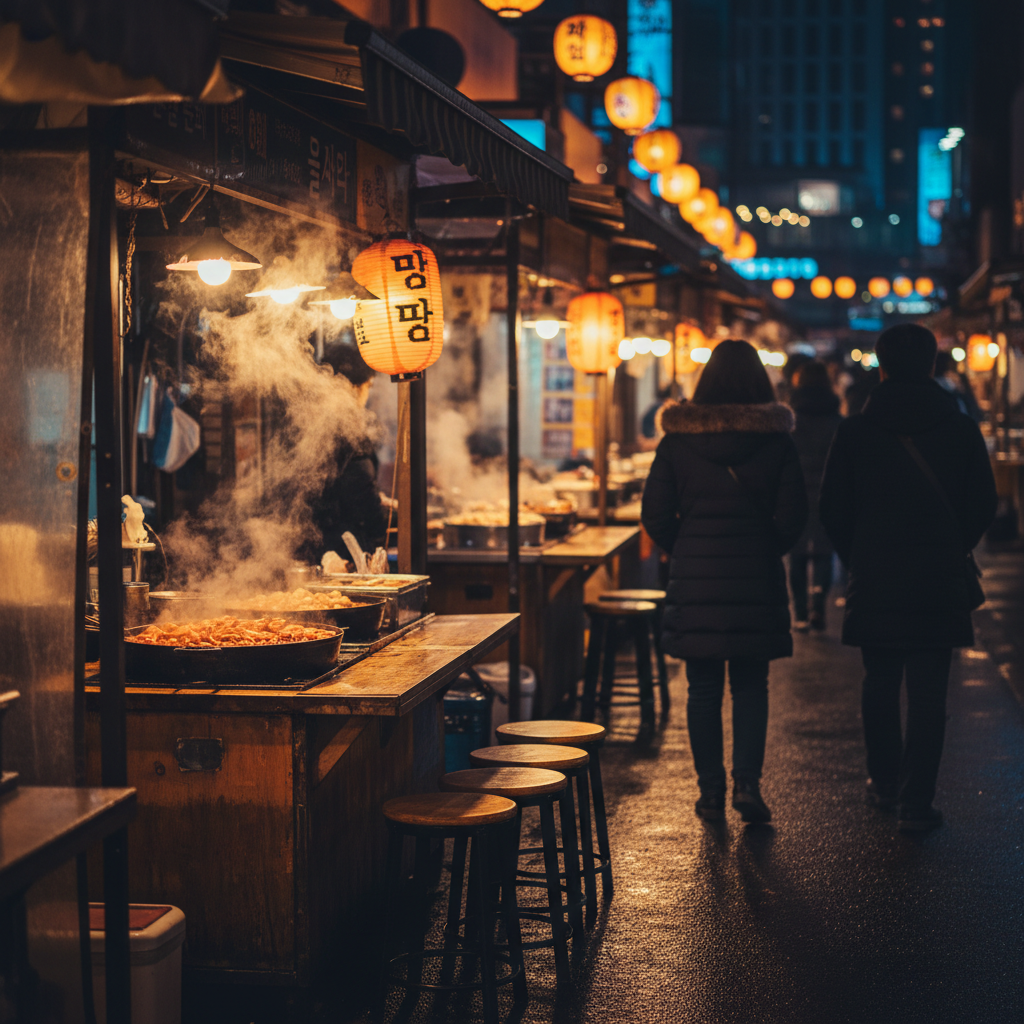
In summary, the Viral Tteokbokki Trend illustrates how a traditional street snack can gain international traction through a blend of social‑media challenge culture, affordability, culinary adaptability, and media exposure. Export growth, tourist consumption patterns, and its inclusion in global winter‑food campaigns all point to a sustained interest that is likely to continue as more foreigners seek to share their tteokbokki experiences online.
About the Author