
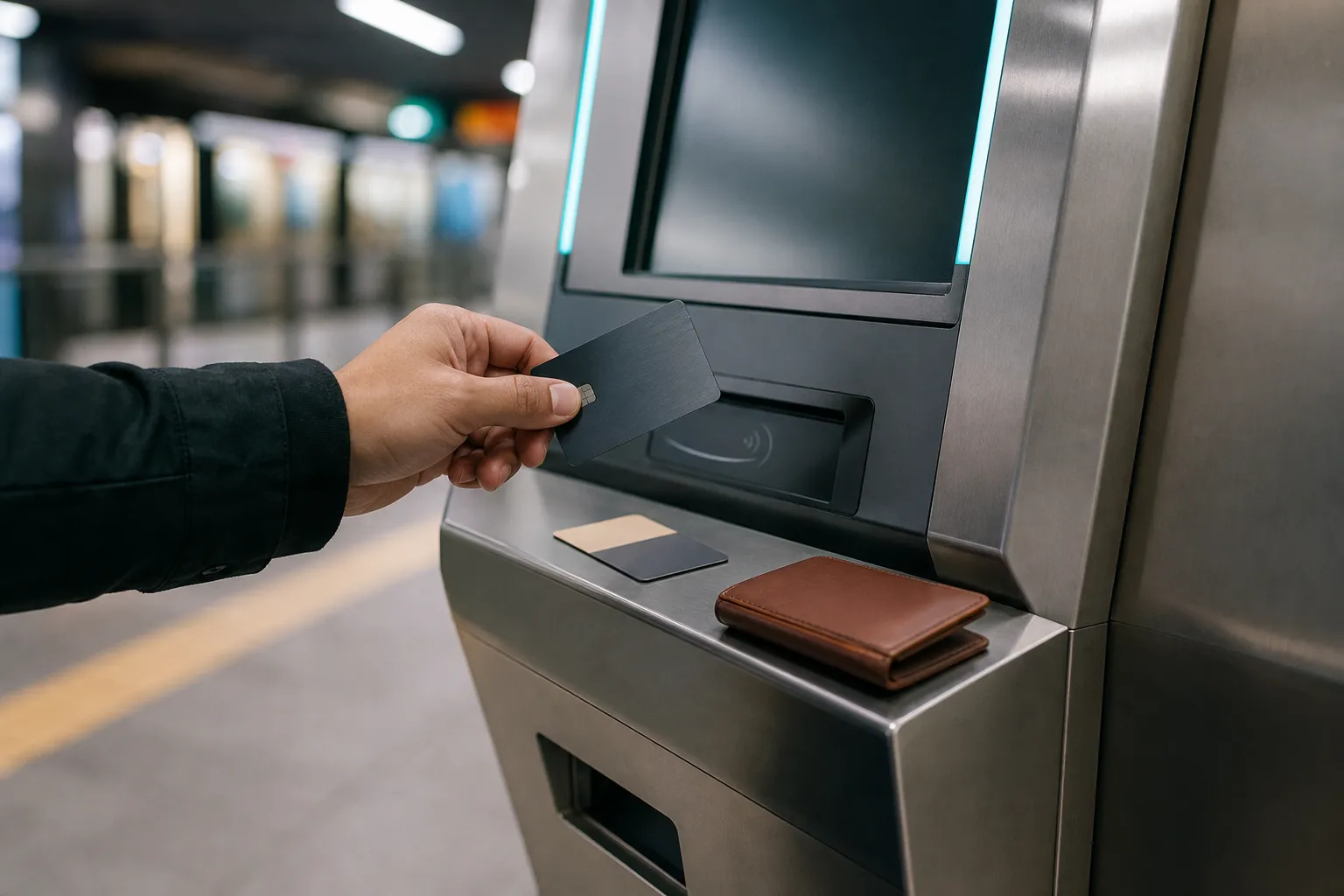
Foreign visitors using the Seoul Climate Card can now pay with overseas-issued cards at eligible Seoul subway ticket machines, making short-term travel easier without preparing Korean cash first. The overseas card payment option started on March 17, 2026, and applies mainly to Seoul Climate Card purchases, short-term pass recharges, and one-time subway tickets. 1
The change is especially relevant for travelers who want a 1-, 2-, 3-, 5-, or 7-day short-term Seoul Climate Card pass. It does not mean every card product or every pass type is covered, so checking the exact rules before relying on an overseas card is important.
Seoul Climate Card Overseas Card Payment: Where It Works
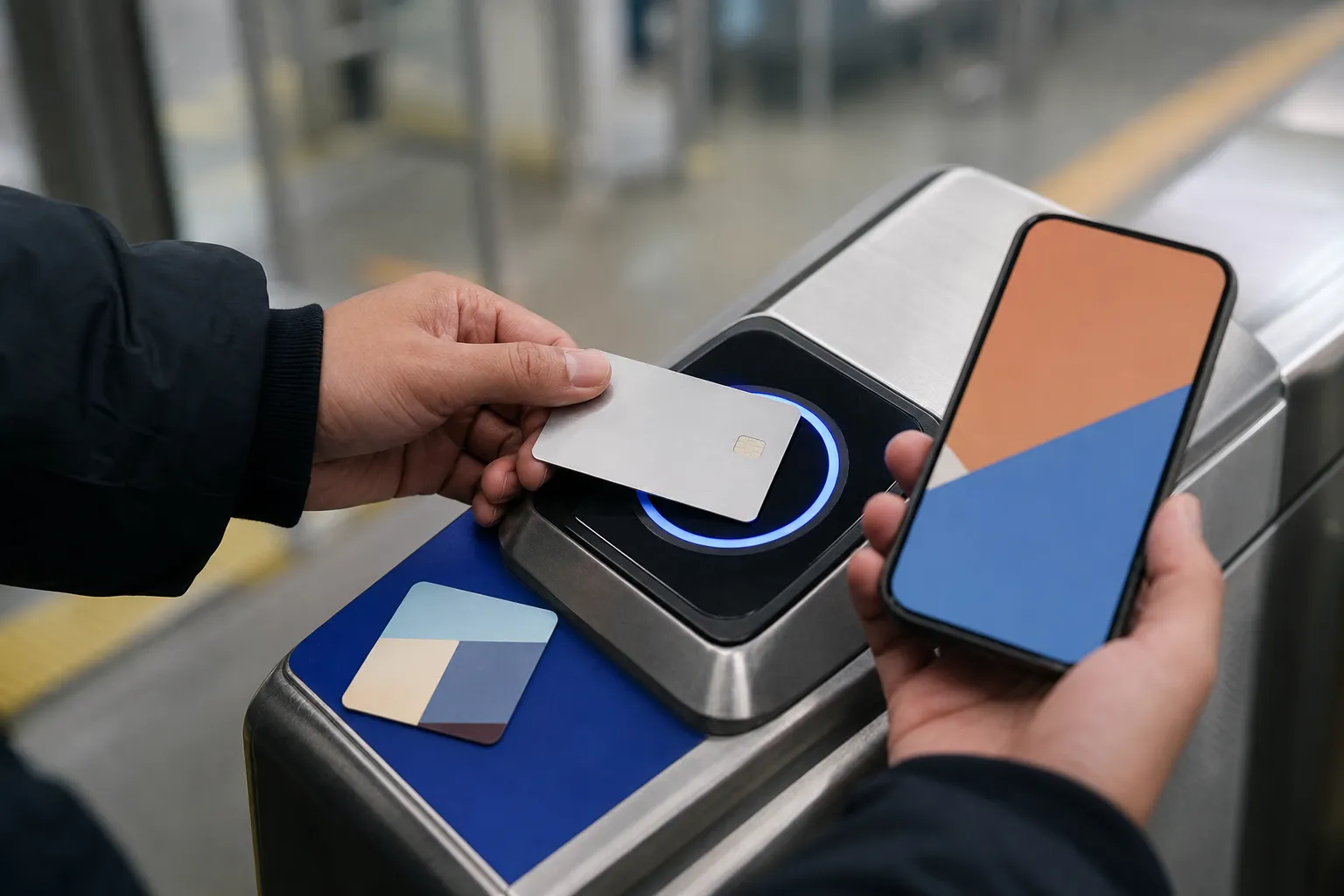
Seoul introduced overseas credit and debit card payment at 440 new transportation card vending machines installed across 273 stations on Seoul Subway Lines 1 through 8. 1 These machines support payment by overseas-issued cards for the purchase of the Seoul Climate Card, recharging short-term passes, and buying one-time subway tickets. 1
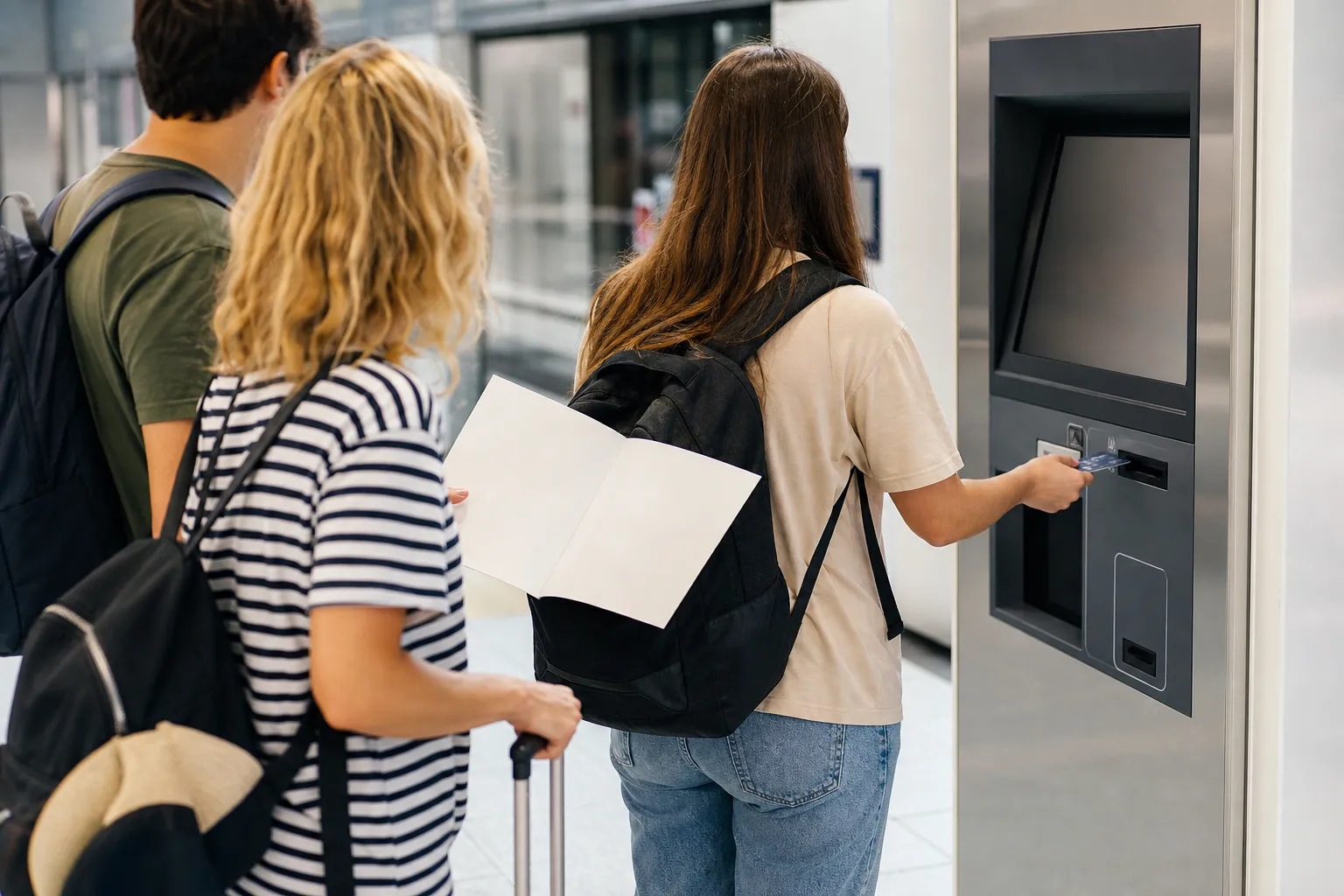
For visitors, the most practical point is that the service is designed around subway station kiosks rather than a separate application or advance reservation process. If you are entering Seoul through a major station or staying near central travel areas, the intended use case is simple: go to a compatible new transportation card vending machine, choose the relevant ticket or card option, and pay with an eligible overseas-issued credit or debit card.
The payment rollout was also reported as supporting overseas cards such as Visa and Mastercard, as well as selected mobile payment services including KakaoPay and Naver Pay. 2 Later usage data showed that, among overseas cards, VISA accounted for the largest share, while WeChat Pay was the most used among mobile payment services. 3
This matters because overseas card payment reduces the need to exchange money only to buy a subway ticket or short-term transport pass. Seoul Metro said the ability to buy and recharge transportation cards without separate currency exchange or a domestic payment method appeared to improve subway access for foreign visitors. 4
What You Can Buy or Recharge With an Overseas Card
The overseas payment system is not a blanket payment option for every Seoul Climate Card product. It first applies to three practical cases: buying a Seoul Climate Card, recharging short-term Seoul Climate Card passes, and buying one-time subway tickets. 1
For short-term Seoul Climate Card use, the supported recharge options are the 1-day, 2-day, 3-day, 5-day, and 7-day passes. 1 These are the pass types most closely aligned with short visits, weekend trips, and multi-day stays in Seoul.
The 30-day pass is different. Seoul said overseas card payment for the 30-day option would be reviewed later, and Yonhap reported that the city planned to decide whether to apply it after reviewing demand. 1 2 In practical terms, visitors should not assume that an overseas-issued card can be used for every 30-day Seoul Climate Card transaction at the machines.
A service fee also applies. When using an overseas-issued card to buy or recharge through the supported system, the average service usage fee is 3.7%. 1 That fee should be considered part of the real cost of using an overseas card rather than cash or a domestic payment method.
The system was launched with foreign tourist convenience in mind. Yeo Jang-gwon, head of Seoul’s transportation office, said the city would continue improving services to raise the convenience of public transportation use for foreign tourists. 1
Early Usage: Which Passes and Stations Saw Demand
One month of data suggests that the overseas payment option was used heavily soon after launch. From March 17 to April 17, 2026, overseas card and mobile payment users averaged 9,158 per day, with daily payment volume of about 70 million won. 3
Usage was especially strong at Seoul Station, Hongik University Station, and Myeong-dong Station, in that order by payment amount. 3 That pattern fits the visitor-focused nature of the service, because those stations are closely associated with intercity rail access, tourist movement, shopping, and hotel-heavy areas.
Short-term Seoul Climate Card charging also rose sharply after overseas card and mobile payment support began. On Seoul Subway Lines 1 through 8, short-term Seoul Climate Card recharge cases increased from about 120,000 during the same period the previous year to about 240,000 after the introduction of overseas card and mobile payment support. 3
Among short-term pass types, the 3-day pass had the largest share at 35%, followed by the 5-day pass at 24%, the 1-day pass at 15%, the 2-day pass at 13%, and the 7-day pass at 13%. 4 For visitors choosing a pass length, this does not prove which pass is best, but it does show that 3-day and 5-day options were the most common among users during the measured period.
Quick FAQ
Can I use an overseas card for every Seoul Climate Card option?
No. The confirmed overseas card payment scope covers Seoul Climate Card purchase and recharging short-term 1-, 2-, 3-, 5-, and 7-day passes. The 30-day pass was listed as a later review item, so it should not be treated as fully covered unless the city announces an update. 1
Is there an extra fee for using an overseas-issued card?
Yes. Seoul stated that purchases and recharges made with overseas-issued cards carry an average service usage fee of 3.7%. 1 For travelers, the main takeaway is straightforward: the Seoul Climate Card is now easier to access with an overseas card, but only for the supported purchase and short-term recharge cases. Check that you are using one of the new eligible vending machines on Seoul Subway Lines 1 through 8, choose a supported short-term pass or one-time ticket, and remember that the overseas card service fee may apply.
References
- 기후동행카드·일회용 승차권, 현금없이 해외 신용카드로 구매가능해진다 (서울특별시, 2026-03-16)
- 기후동행카드·지하철 일회용 승차권, 해외 신용카드 결제 도입 (연합뉴스, 2026-03-16)
- 서울 지하철 해외카드 결제 도입 한 달…하루 9000명·7000만원 사용 (뉴스핌, 2026-04-22)
- 지하철 해외카드 결제도입 한달···일 평균 관광객 9000명 찍었다 (경향신문, 2026-04-22)
About the Author