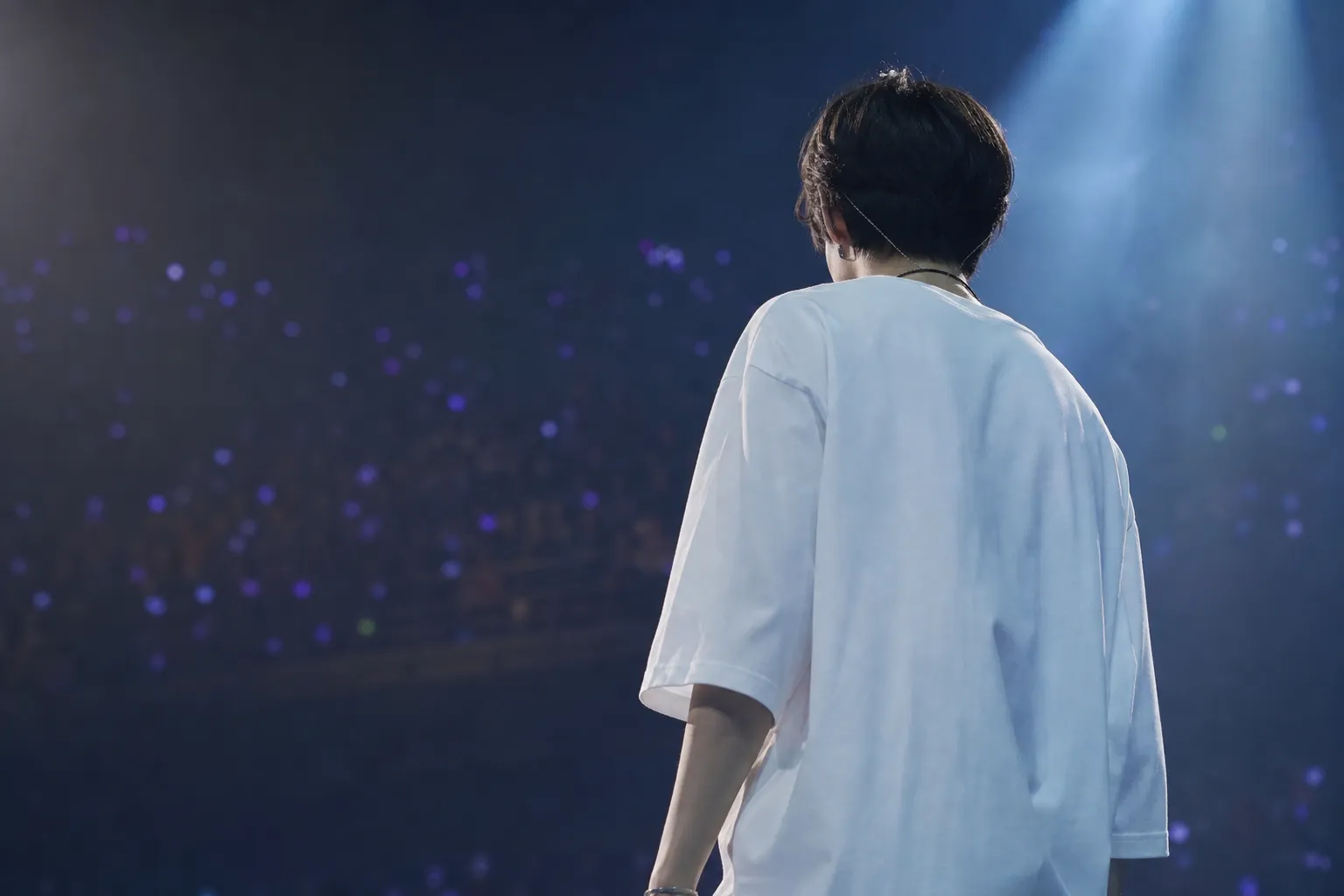
G-Dragon’s Macau outfit became the center of a racism controversy after he appeared onstage at K-SPARK in Macau on May 2 wearing a T-shirt that included a Dutch phrase criticized as racially offensive. Galaxy Corporation, his agency, issued an apology on May 4 and said it would review and improve internal verification procedures, including styling checks.1
The incident has drawn attention because it involved a stage costume worn during an international K-pop concert, where images and video from the performance circulated beyond the venue. Reports from Korean and English-language outlets described the disputed wording as a Dutch phrase that included a term widely viewed as offensive, particularly by international fans who raised concerns after the performance.2
G-Dragon’s Macau Outfit at K-SPARK
The controversy originated from G-Dragon’s appearance at K-SPARK in Macau, held on May 2 at the Macau Outdoor Performance Venue, where he performed while wearing the T-shirt in question. The outfit drew scrutiny after photos and footage from the stage were shared on social media, leading to criticism from fans in Korea and overseas.3
Multiple reports identified the wording on the shirt as Dutch. Korea JoongAng Daily reported that the phrase included the term “neger,” while The Hankyoreh explained that the word is currently understood as a racist and insulting term and is avoided in contemporary usage.23
The issue was framed by several outlets as a stage-styling failure rather than a dispute over the concert itself. The criticism focused on why a shirt containing a phrase with an offensive racial term passed through wardrobe selection and appeared in a public performance setting. Dong-A Ilbo reported that global fans continued to point out the problem after images from the Macau event appeared online.4
As the discussion spread, the topic was described in English-language coverage as a G-Dragon racism controversy tied specifically to the Macau concert outfit. The available reports do not state that G-Dragon personally commented on the matter. The confirmed official response came from Galaxy Corporation, which apologized and said it would strengthen review procedures.
Agency Apology Issued on May 4
Galaxy Corporation issued its apology on May 4, two days after the Macau performance. Yonhap News Agency reported that the agency apologized over the stage outfit and described the phrase as inappropriate in its “social and cultural context.”1
Korea JoongAng Daily quoted the agency as saying, “We sincerely apologize for the inclusion of a phrase that is inappropriate in its social and cultural context.”2 The statement addressed the presence of the phrase on the T-shirt rather than offering a broader explanation of how the item was selected.
Yonhap also reported that Galaxy Corporation pledged to review its internal systems, including checks related to styling. The agency said it would “thoroughly review and improve” its assessment and verification procedures and apply more careful standards in the future.1
The Hankyoreh reported that the agency’s position was posted through the fan platform b.stage. Dong-A Ilbo likewise reported that Galaxy Corporation promised improvements to internal review and confirmation processes, including styling.34
The core timeline is therefore limited but clear: the stage appearance took place on May 2, criticism followed after the outfit was seen online, and the agency apology was issued on May 4. No source material provided additional details about disciplinary action, changes to G-Dragon’s schedule, or a separate statement from the artist.
Why the Phrase Drew Criticism
The controversy centered on the meaning and cultural context of the wording printed on the T-shirt. Reports described the phrase as Dutch and highlighted that one term in it has a racial meaning that is considered offensive. Electronic Times reported that the shirt contained wording that could be interpreted as derogatory toward Black people and that criticism came mainly from overseas fans.5
The Hankyoreh’s explanation emphasized that the term is now received as racist and insulting, which is why its presence on a performance outfit prompted objections. The criticism was not reported as being about fashion taste or styling preference, but about the use of language with a harmful racial context on a public stage.3
Sports Chosun reported that video and photos from the performance spread through social media, after which criticism from domestic and international fans continued. The same report said Galaxy Corporation eventually apologized and promised to improve internal review procedures.6
The incident also illustrates how K-pop stage styling can become a cross-cultural issue when clothing includes text in another language. In this case, the reports consistently identify the disputed element as the printed wording on the shirt, not the wider concert production or the performer’s set.
Galaxy Corporation’s May 4 apology leaves the matter at an official response and promised internal review stage. Based on the available source material, the confirmed facts are that G-Dragon wore the T-shirt at K-SPARK in Macau on May 2, the wording drew criticism for racial offensiveness, and the agency said it would improve verification procedures so styling is handled under more prudent standards.
References
- G-Dragon's agency apologizes over stage outfit featuring racial slur (Yonhap News Agency, 2026-05-04)
- G-Dragon's agency issues apology over T-shirt bearing slur at Macau concert (Korea JoongAng Daily, 2026-05-04)
- 지드래곤 ‘인종차별 의상’ 논란에 사과…‘NEGER’ 뜻 뭐길래 (한겨레, 2026-05-04)
- 지드래곤 공연 의상 ‘흑인 비하’ 문구 논란 (동아일보, 2026-05-04)
- 'NEGER' 뭔 뜻인데?…지드래곤, 공연 중 '흑인비하' 티셔츠 문구 논란 (전자신문, 2026-05-04)
- "흑인비하, 국제 망신" 지드래곤, 마카오 공연서 인종차별 의상…파장 커지자 결국 사과 (스포츠조선, 2026-05-04)
About the Author