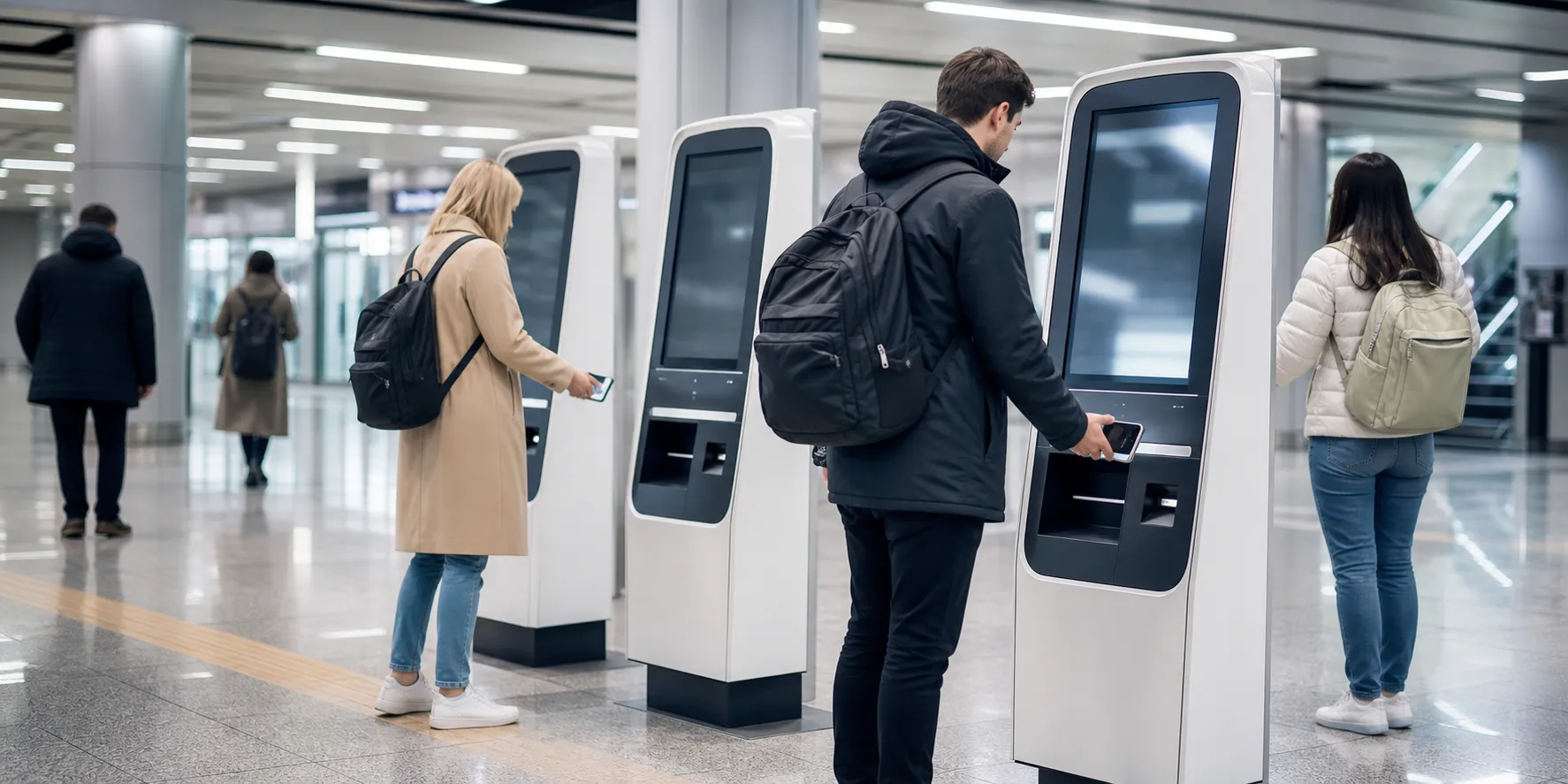
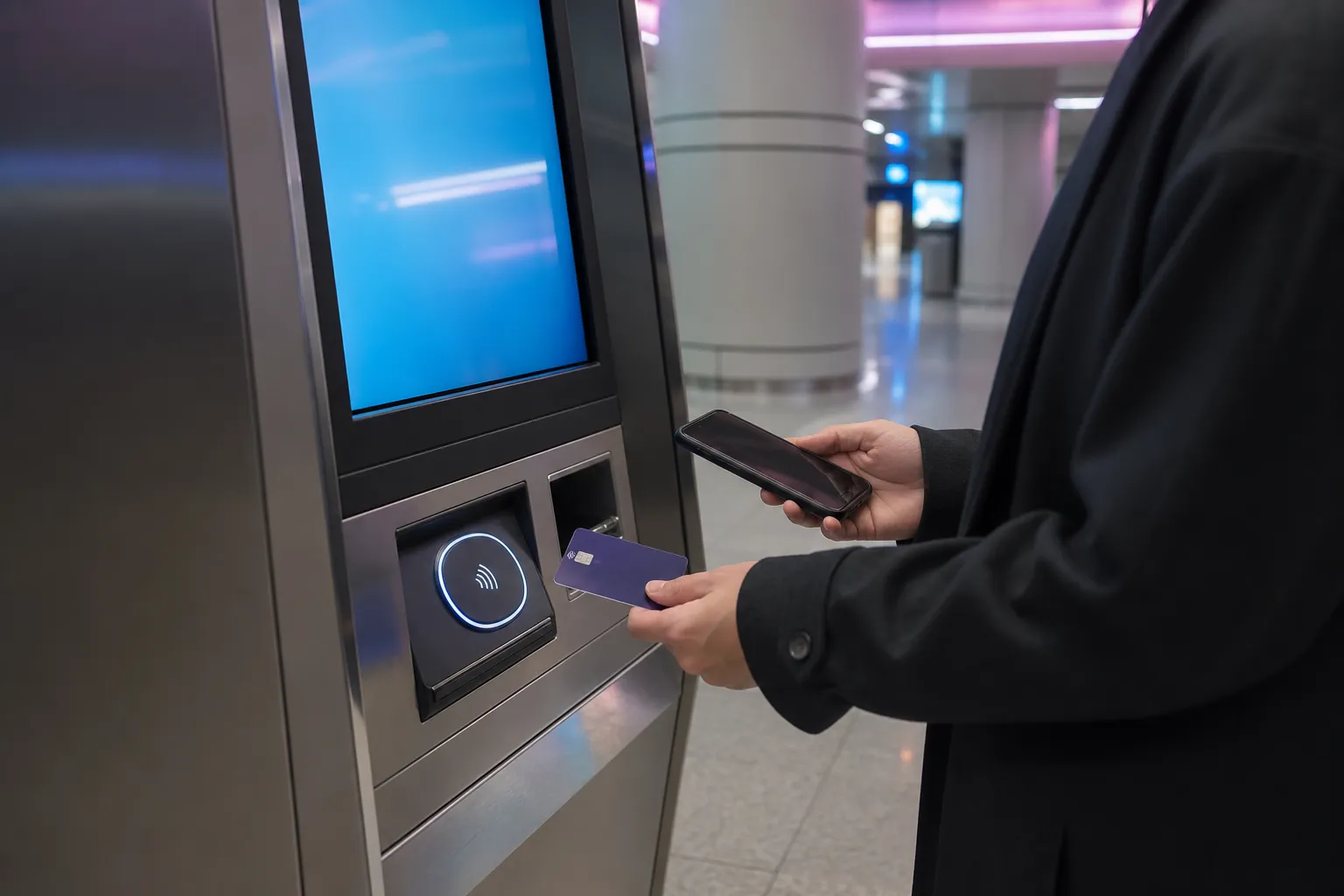
Seoul subway overseas card payment became available on the new ticketing machines across Lines 1-8 from March 17, 2026, making it possible to buy or top up selected transit products without relying only on cash. For visitors and residents using overseas-issued cards, the Seoul Transit Kiosks now support a clearer route to one-time tickets, Climate Card products, and short-term passes at stations across the network.1
The change applies to 440 new transit card kiosks installed at 273 stations on Seoul subway Lines 1-8. These machines support overseas-issued credit and debit cards, and they also support simple payment options such as Kakao Pay and Naver Pay.1 The overseas-card function was first applied to Climate Card purchases, short-term Climate Card top-ups, and one-time subway ticket purchases.1
Seoul Subway Overseas Card Payments: What You Can Do at the Kiosk
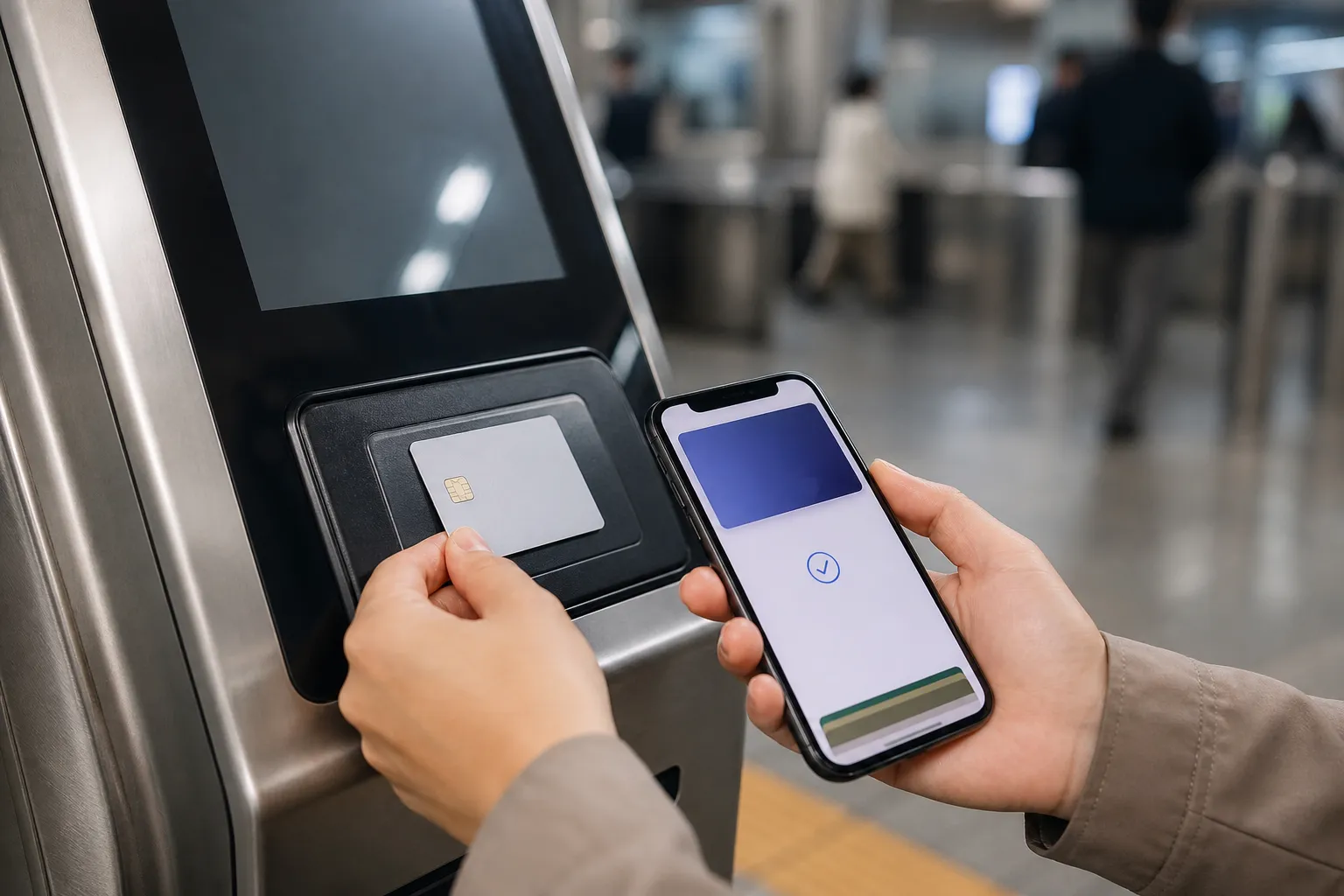
The most important point is scope. Overseas card payment is not described as a full replacement for every transit payment method in Seoul. It is available at the new transit card vending machines for specific purchases and top-ups: one-time tickets, Climate Card purchases, and Climate Card short-term pass top-ups for 1-day, 2-day, 3-day, 5-day, and 7-day use.2
That makes the system especially relevant for short-stay travelers who need subway access soon after arriving, or for users who want a temporary Climate Card option rather than a longer-term arrangement. The source material does not say that overseas cards can be tapped directly at every fare gate for ordinary subway rides through this kiosk program. Instead, the supported action is purchasing or charging eligible products at the kiosk.
Seoul City said an average service fee of 3.7% is charged when buying or charging with an overseas-issued credit or debit card.1 Readers should treat that as part of the kiosk transaction cost, not as a separate fare rule for the subway ride itself. The available source material does not provide a card-by-card breakdown of whether individual banks add their own foreign transaction fees.
The machines also reflect a wider move away from cash-only ticketing. Earlier reporting said the new kiosks support credit cards and simple payments such as Kakao Pay and Naver Pay, sell five types of products including the Climate Card, and handle some refund and ticket-type change work.3 Accessibility changes were also built into the hardware, including lower screen and control heights for wheelchair users and children, plus a braille keypad and an earphone jack for audio guidance.3
Where Usage Is Concentrated and How Many People Are Using It
The first month of data gives a useful sense of demand. Seoul Metro analyzed overseas-issued card and simple payment use from March 17 to April 17, 2026, and reported an average of 9,158 users per day, with daily payments of about 70 million won.2
Use was concentrated at stations with heavy foreign visitor traffic, including Seoul Station, Hongik University Station, and Myeong-dong Station.2 That pattern matches the practical use case: these are places where travelers often enter the subway system, transfer from rail or airport routes, or move between hotels, shopping areas, and tourist districts.
Payment-type figures also show which methods are gaining traction. Among overseas cards, Visa had the highest average daily use at 3,788 transactions. For simple payments, WeChat Pay averaged 2,069 uses per day, higher than the 628 daily uses reported for domestic simple payment methods in the same data.4
There is also a notable change in short-term Climate Card activity. Short-term Climate Card top-ups rose from 122,657 in the same period the previous year to 243,843.4 The source material does not prove that overseas card support alone caused the increase, but it shows that short-term pass use was substantially higher during the early overseas-payment rollout period.
A Seoul Metro sales division official, Ma Hae-geun, said the introduction of overseas credit cards and simple payments expanded payment convenience for domestic users and improved subway access for foreign tourists.2 Seoul City transport official Yeo Jang-kwon also said the city would continue improving services to raise the convenience of public transportation use for foreign visitors.1
Practical Steps Before You Use the New Kiosks
First, look for the new transit card vending machines at stations on Lines 1-8. Seoul Metro completed installation of 440 new kiosks across 273 stations, after an earlier pilot that began at 25 major stations on September 6, 2025.35 The pilot plan covered Lines 1-8 but excluded the 4호선 Jinjeop Line section, the Line 7 Bucheon section, and the Line 8 Byeollae Line section.5
Second, choose the product that matches your trip. If you need a single subway ride, the overseas-card function applies to one-time ticket purchases. If you are using the Climate Card, it applies to buying the card and charging short-term passes for 1, 2, 3, 5, or 7 days.2
Third, account for the service fee. Seoul City’s stated average fee for overseas-issued credit and debit card purchases or top-ups is 3.7%.1 If the total shown at the machine is higher than the base product price, the service fee may be part of the reason.
Fourth, remember that the kiosk upgrade is one step in a broader payment plan. Seoul City has described a phased EMV open-loop transit payment system for foreign visitor convenience. The plan includes bus-terminal EMV module and payment-server work in 2025-2026, replacement of EMV terminals on subway Lines 1-8 in 2027, and expansion to village buses, private railways, and metropolitan transfer agencies from 2028 to 2030.6
Quick FAQ
Can I use an overseas card at Seoul subway kiosks now?
Yes, at the new transit card kiosks on Seoul subway Lines 1-8, overseas-issued credit and debit cards can be used for supported purchases and top-ups that include one-time tickets and selected Climate Card products.1
Does this mean I can tap my foreign card directly at the subway gate?
The source material supports overseas-card payment at the new kiosks for eligible products, not direct gate tapping through this rollout. Seoul City separately described a phased EMV open-loop plan, with subway Lines 1-8 terminal replacement planned for 2027.6 !Seoul transit kiosks foreign cards and mobile payments For now, the practical takeaway is simple: travelers using overseas-issued cards have a cashless way to buy one-time tickets and selected Climate Card products at the new Seoul Transit Kiosks on Lines 1-8. The system is already being used by thousands of people per day, but its confirmed role is kiosk-based purchasing and charging, with broader open-loop transit payment still described as a phased plan.
References
- 기후동행카드·일회용 승차권, 현금없이 해외 신용카드로 구매가능해진다 (서울특별시, 2026-03-16)
- 서울 지하철 해외카드 결제 한 달…하루 9000명 쓴다 (아시아경제, 2026-04-22)
- 교통카드도 신용카드·간편결제로…서울 모든 역에 새 키오스크 (연합뉴스, 2026-01-06)
- 서울지하철 해외카드 결제 도입 한 달…하루 9158명 이용 (뉴시스, 2026-04-22)
- 신용카드로 교통카드 충전…서울지하철에 새 키오스크 도입 (연합뉴스, 2025-09-02)
- 외국인 교통결제 편의 개선 위해 `오픈루프 결제` 도입 앞장 서 (서울특별시, 2025-10-16)
About the Author