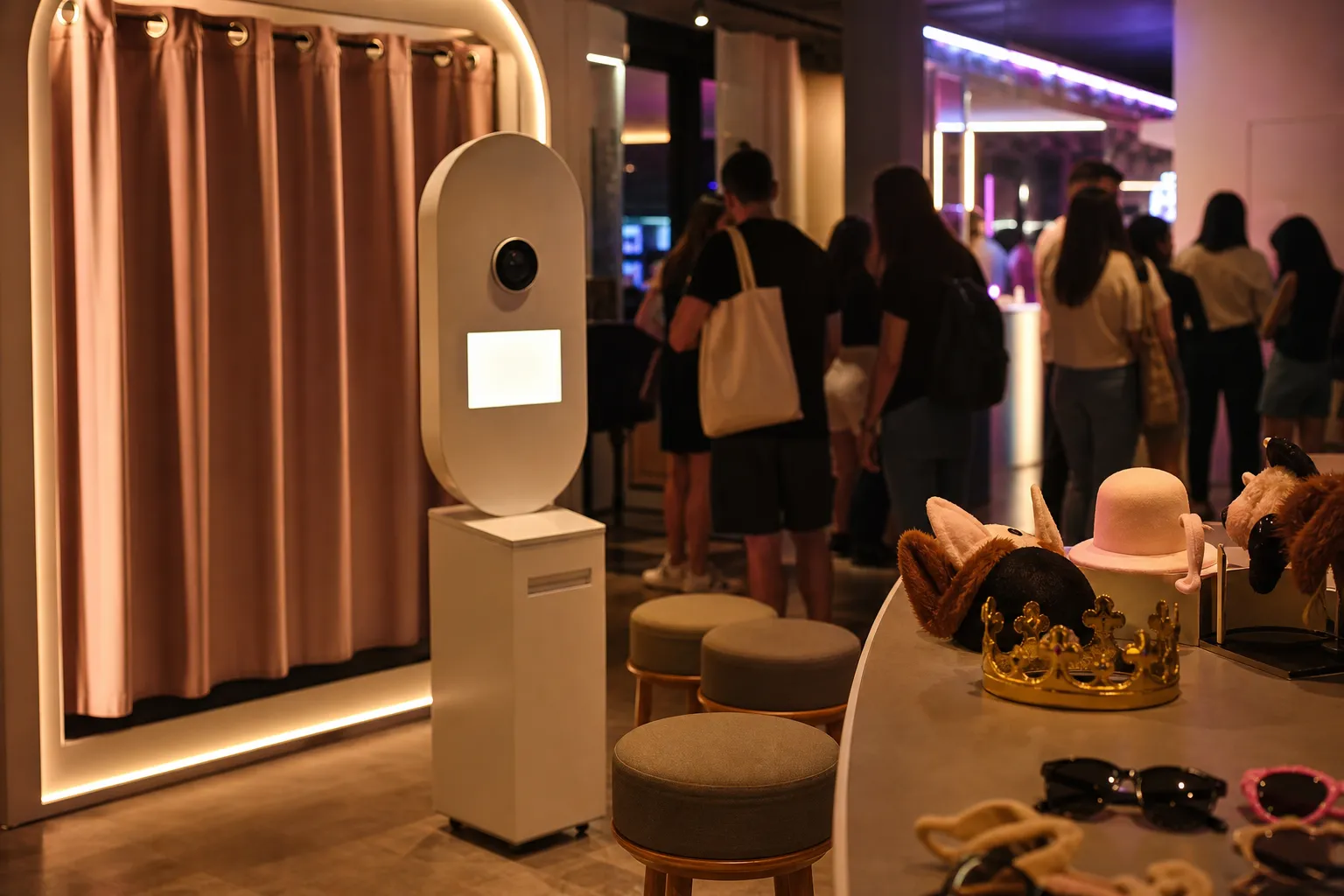
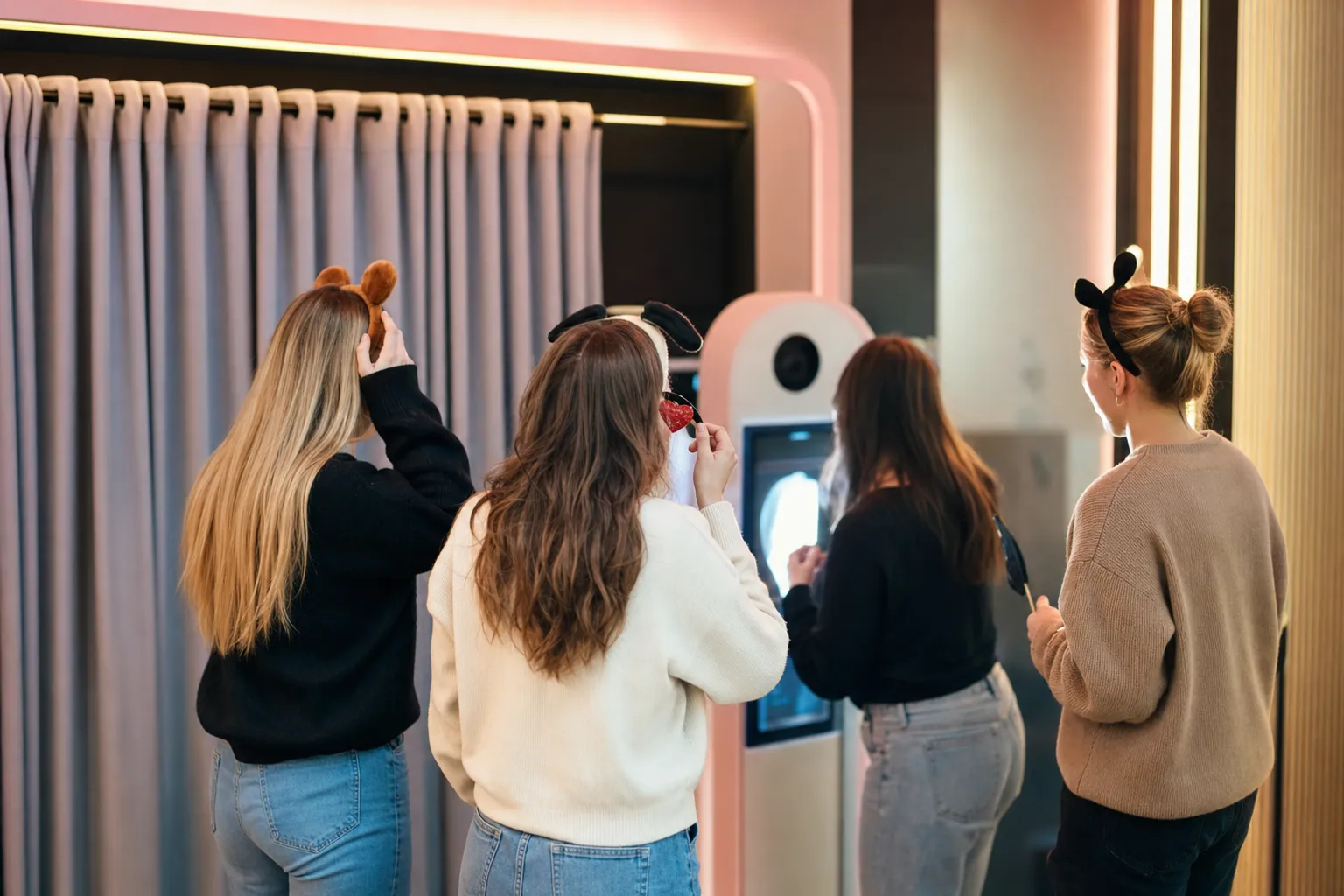
For many foreign visitors, the Life4Cuts Korea experience has become more than a quick souvenir photo. Reports on foreign tourist spending show that instant photo booths such as Life4Cuts are now part of a wider shift toward everyday Korean lifestyle activities, alongside coin karaoke rooms, PC rooms, beauty stores, convenience stores, and medical or beauty-related services.1
The clearest available data point comes from Shinhan Card’s Big Data Research Institute analysis of foreign tourist card use from January to July 2025. Transactions at instant photo booths, including Life4Cuts, rose 65% compared with the same period a year earlier, a figure repeated across multiple Korean media reports and The Korea Times.2
Foreign Visitors’ Life4Cuts Korea Experience
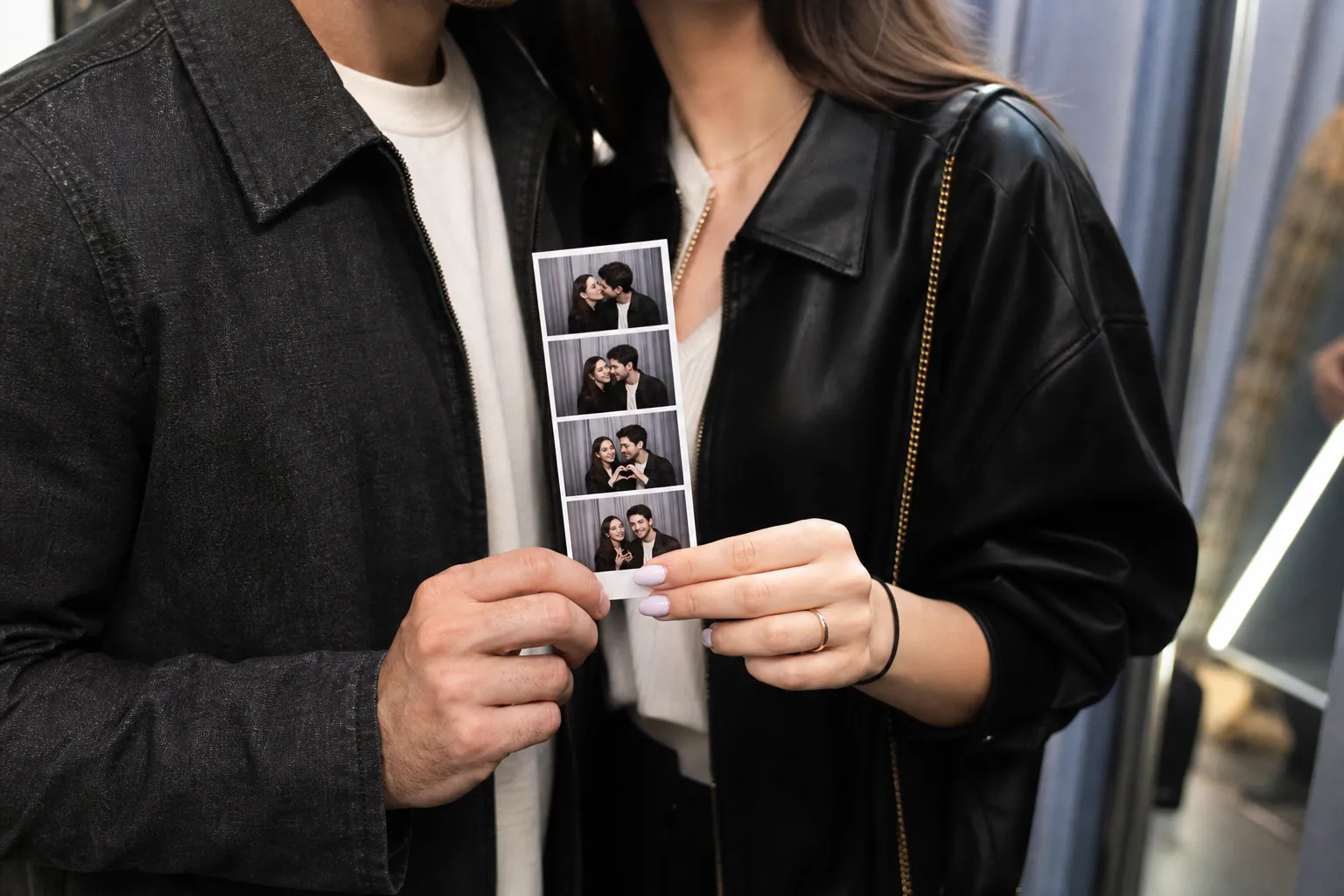
The appeal is practical and easy to understand: a Life4Cuts-style booth gives travelers a compact, shareable record of being in Korea without requiring a formal studio appointment. The source material does not provide branch-by-branch instructions, prices, payment rules, or language support details, so the safest guide is to focus on what is confirmed: foreign tourists are increasingly using instant photo booths as part of Korea travel, and the activity is being grouped with other local lifestyle experiences rather than only traditional sightseeing.3
This matters because the reported trend is not isolated to one travel anecdote. Yonhap News reported that spending by tourists from Taiwan, the United States, Japan, and China increased in K-content-linked and beauty or medical sectors during January to July 2025. The same reporting said usage also increased at karaoke rooms, PC rooms, and nail shops, suggesting that travelers are adding ordinary youth-culture activities to their itineraries.1
Shinhan Card summarized the pattern as rising demand to experience “Korean lifestyle” and “MZ culture” directly.1 In travel terms, that means an instant photo booth can sit naturally between shopping, cafe visits, beauty stops, karaoke, or neighborhood wandering, rather than being treated as a standalone destination.
Why It Became a K-Culture Stop
K-pop and K-drama influence is one reason the activity is easier for visitors to recognize before they arrive. The Korea Times connected the rise in instant photo booth and coin karaoke use to K-content’s effect on travel behavior, reporting that foreign tourists are moving beyond conventional sightseeing into Korean lifestyle activities.2
One interviewed traveler, identified as Emma, explained the motivation simply: “I saw characters doing that in Korean dramas, so I wanted to experience it myself.”2 That quote captures why the experience works for first-time visitors: it is familiar through media, but still feels local when done in Korea.
Korean-language reporting has described a similar movement away from itineraries built only around palaces or major landmarks. Le Desk reported that foreign tourists are increasingly choosing everyday leisure experiences associated with Korean young people. In one example, a German tourist, Sabine, said she planned to go to an instant photo studio with her children to take a “Life4Cuts Seoul version.”4
The broader visitor numbers help explain why these everyday experiences matter for travel businesses. Asia Economy cited Korea Tourism Data Lab figures showing 8.83 million foreign visitors to Korea in the first half of 2025, up 14.6% from the same period a year earlier.3 With more visitors arriving, the experiences that feel easy, repeatable, and visibly Korean can spread quickly through travel plans.
How to Think About Adding It to a Korea Itinerary
Based on the available facts, the most useful way to plan a Life4Cuts Korea stop is to treat it as a short lifestyle activity, not a major scheduled attraction. The sources do not confirm operating hours, store locations, prices, or reservation systems, so readers should avoid assuming that every branch works the same way.
What the sources do confirm is the type of trip where it fits well. If a visitor is already planning K-content-related activities, shopping at places such as Olive Young or Daiso, stopping by convenience stores, trying coin karaoke, or exploring youth-oriented districts, an instant photo booth belongs naturally in that same category of casual local experience. Asia Economy reported that Life4Cuts, karaoke rooms, PC rooms, Olive Young, Daiso, and convenience store usage all appeared in the discussion of changed foreign tourist spending patterns.3
There is also an event-based example. At the 2024 K-Link Festival, reported by Financial News, the K-Play Zone included a self photo booth described as “Life Four Cuts,” along with a dance VR experience, hanbok try-on, makeup experience, and Korean tourism information programs. The same report said about 10,000 of the roughly 12,000 festival participants were foreign tourists.5 The Ministry of Culture, Sports and Tourism had officially introduced the 2024 K-Link Festival as a K-culture event for foreign visitors connected with the 2023–2024 Visit Korea Year.6
That event example is useful because it shows how instant photo booths are being positioned: not as a separate novelty, but as one piece of a larger K-culture participation program. For ordinary travelers, the same logic applies. The booth experience is most meaningful when paired with the parts of Korea travel that visitors already associate with pop culture, beauty, shopping, and everyday social activities.
Quick FAQ
Is Life4Cuts Korea popular with foreign tourists?
The available card-spending data says yes. Foreign credit card transactions at instant photo booths such as Life4Cuts rose 65% from January to July 2025 compared with the same period a year earlier.2
Is the Life4Cuts experience only for K-pop fans?
No source says it is limited to K-pop fans. The reporting connects the trend to K-content influence, but also places it within broader demand for Korean lifestyle, MZ culture, shopping, beauty, karaoke, and other everyday experiences.1 !외국인 인생네컷 체험 Seoul K-culture event venue concept For foreign visitors planning Korea travel, Life4Cuts Korea is best understood as a quick, media-familiar lifestyle stop backed by a clear rise in tourist spending. It is not presented in the available sources as a complicated reservation-based attraction, but as part of a growing preference for everyday Korean experiences that visitors can remember, share, and connect with K-culture travel.
References
- K콘텐츠 열풍에 외국인 코노·박물관행…부산 등 지방소비도↑ (연합뉴스, 2025-08-19)
- K-culture's popularity boosts foreign tourist spending in wider sectors, regions (The Korea Times, 2025-08-19)
- "인생네컷 찍고 올영·다이소, 피부과까지"…외국인 관광객 달라진 씀씀이 (아시아경제, 2025-08-19)
- 경복궁 대신 노래방…K콘텐츠가 바꾼 외국인의 한국 ‘일상 체험’ 여행 (르데스크)
- '2024 K-링크 페스티벌' 외국인 관광객 1만명 몰렸다 (파이낸셜뉴스, 2024-10-06)
- 외국인 관광객 1만여 명, 케이-컬처와 함께 한국 가을 여행을 즐기다 (문화체육관광부, 2024-10-04)
About the Author