K-pop Acubi Fashion has become one of the clearest examples of how Korean style moves from Seoul streets to global youth wardrobes. The look is often described as Korean “quiet cool”: understated, muted, flexible, and carefully layered without feeling loud. Instead of relying on obvious status pieces or dramatic styling, Acubi fashion works through balance. You see oversized silhouettes, neutral tones, subversive basics, and pieces that can be rearranged into different outfits. K-pop idols and social platforms have helped this aesthetic travel far beyond Korea, turning a streetwear-rooted style into a global visual language for Gen Z.
What Defines K-pop Acubi Fashion
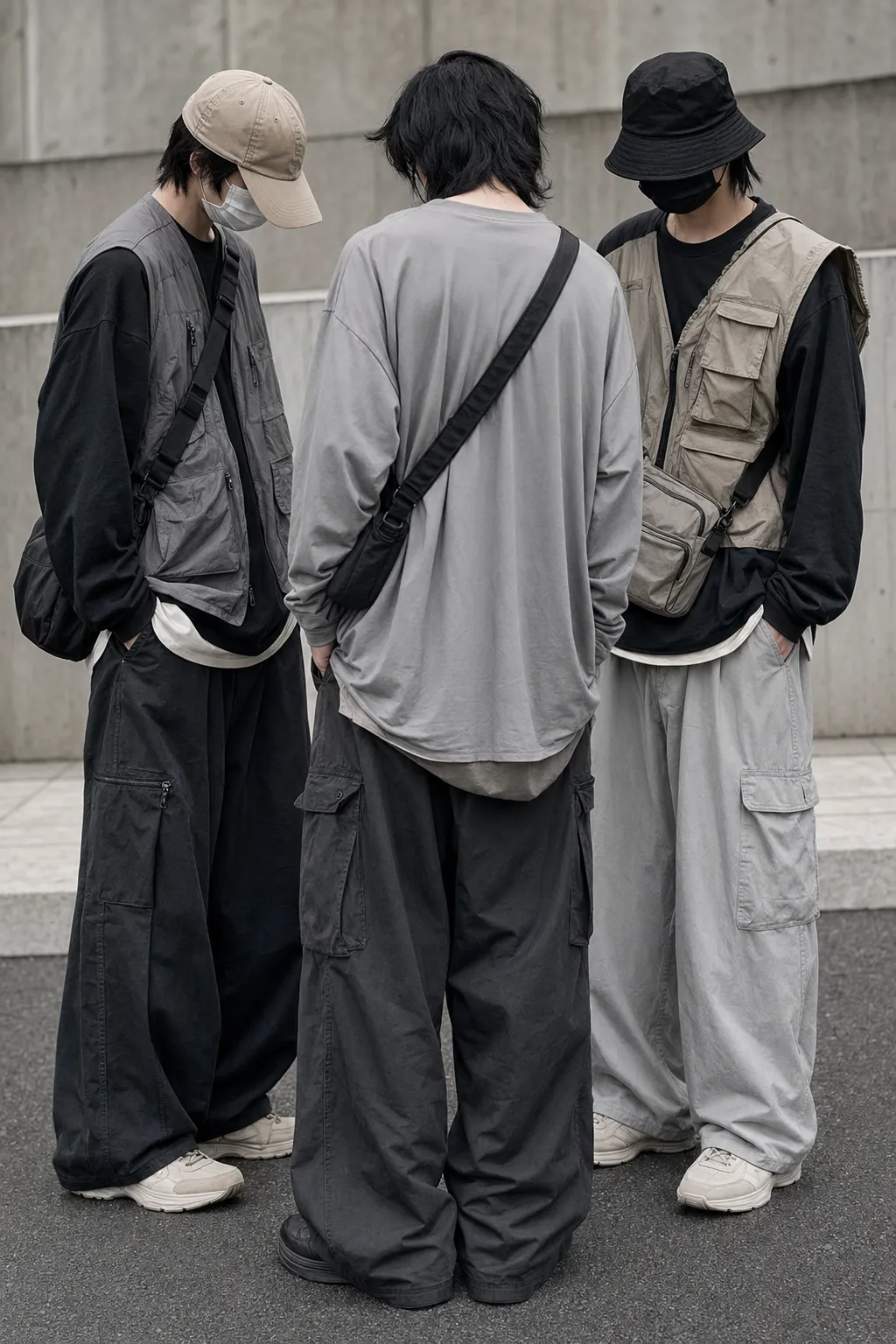
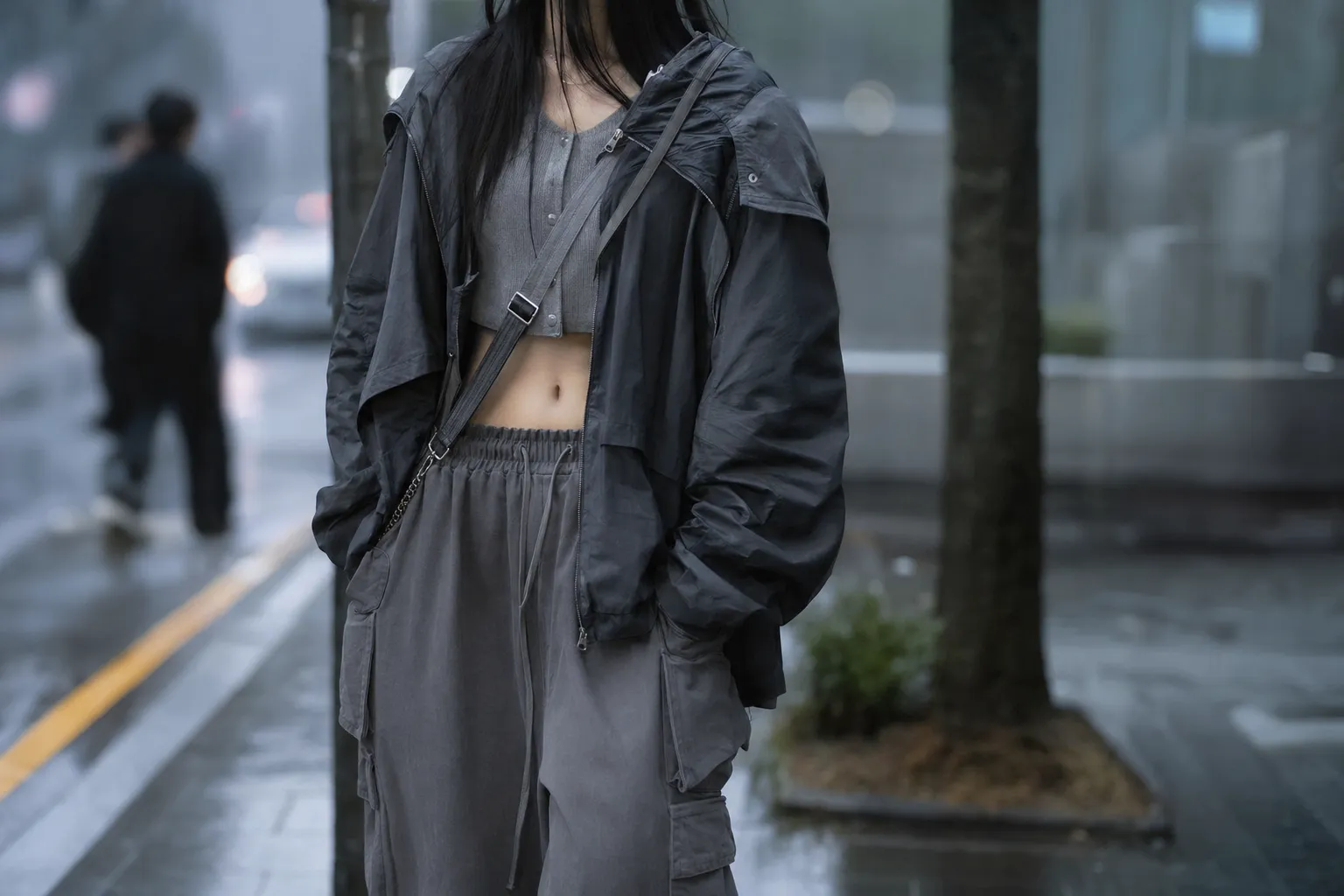
At its core, Acubi is about restraint with intention. The palette tends to stay muted, with neutral colors doing most of the work. The silhouettes often lean oversized, but not in a careless way. A roomy top, a layered skirt or pants, a fitted base layer, and soft accessories can create a look that feels relaxed while still being styled.
Layering is one of the most important parts of the aesthetic. Acubi outfits are modular, meaning the pieces can be mixed, removed, or reworked depending on the day. That adaptability is part of the appeal. You do not need a single dramatic item to make the look recognizable. The identity comes from how basic pieces are combined: a quiet color story, relaxed proportions, and small styling choices that make the outfit feel slightly unexpected.
This is why Acubi has been linked to a broader Gen Z shift toward understated status. Instead of dressing to show wealth or brand visibility in an obvious way, the look suggests taste through subtle coordination. It is cool without shouting. It is fashion-aware without feeling formal. It also fits easily into everyday life, which helps explain why it has spread through creator posts as well as idol styling.
Why K-pop Acubi Fashion Travels So Well
K-pop gives fashion a powerful stage because idols are seen not only as performers but also as style references. When an idol wears a certain silhouette, color palette, or layering formula, fans and viewers can quickly reinterpret it for daily wear. Acubi benefits from this because it is not locked to one exact outfit. It is a system of styling that people can adapt.
The look has been connected with groups including NewJeans, Blackpink, and Aespa in presentations and fashion events. That association matters because each group reaches audiences that pay close attention to visual identity. Their styling does not exist separately from music videos, performances, appearances, and social media posts. It becomes part of how fans understand the mood of an era.
Acubi also matches the way many young people dress now: flexible, camera-ready, and personal. A neutral layered outfit can work for a casual street photo, a concert queue, a café day, or a low-key night out. The same pieces can be styled more feminine, more masculine, or somewhere in between. That genderless quality is one of the strongest reasons the aesthetic feels current.
K-pop has already helped broaden ideas of beauty and gender expression. Colorful hairstyles, non-binary wardrobes, and fluid styling choices associated with artists such as G-Dragon and Seonghwa of ATEEZ show how idol fashion can challenge older boundaries. Acubi fits naturally into that conversation because it does not depend on rigid gender codes. The shapes, layers, and basics can be worn across identities.
From Idol Styling to K-fashion Momentum
The rise of Acubi also sits inside a larger wave of international attention on Korean fashion. K-pop artists increasingly wear domestic Korean labels alongside global luxury brands, giving Korean designers more visibility. BTS wearing outfits by Korean label Songzio is one example of how idol influence can bring K-fashion into wider view.
At the same time, fashion houses are building closer contract relationships with K-pop idols. Collaborations such as Louis Vuitton with BTS and Miu Miu with Jang Won-young show how central idols have become to fashion communication. These partnerships can be mutually useful: brands gain access to youth audiences, while idols strengthen their style identity beyond music.
There is also a practical challenge. Agencies need to manage overexposure and make sure the image fit is right. Not every idol partnership or fashion appearance works equally well, and too much visibility can dilute the impact. Still, the larger direction is clear: K-pop has become a major bridge between fashion brands, Korean style, and global youth consumers.
That bridge extends beyond luxury fashion. K-pop artists continue to secure fashion and beauty ambassador roles, including appearances and selections connected to brands such as Acne Studios and LUNA. These examples show how idol images are used to reach young consumers in Korea, Japan, and beyond. Acubi’s quieter mood may feel different from glossy ambassador campaigns, but both are part of the same ecosystem where idol styling shapes what people want to wear.
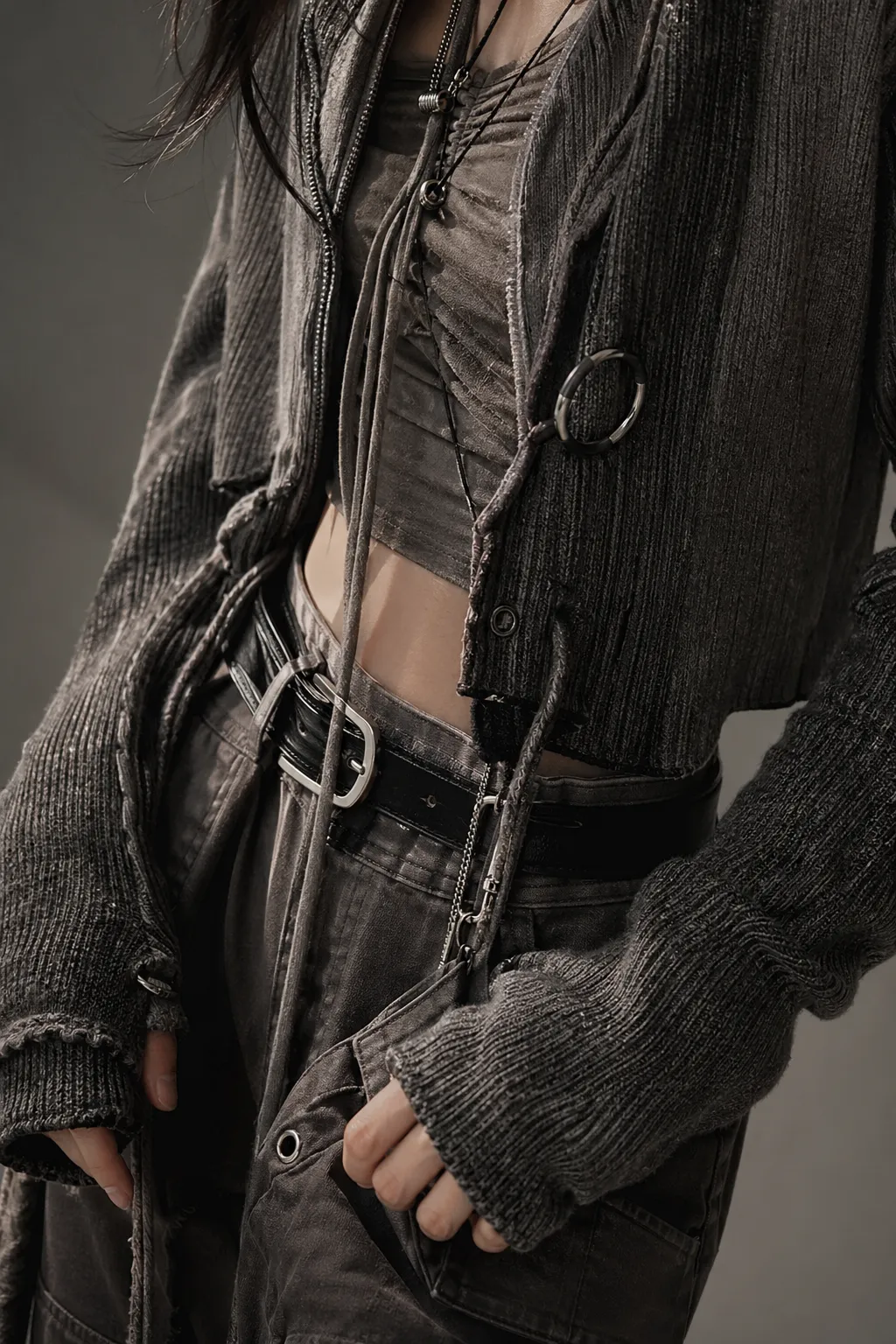
Acubi’s strength is that it feels accessible while still carrying cultural momentum. You can recognize it in muted tones, oversized shapes, layered basics, and a soft refusal to dress according to strict categories. K-pop helped push the look outward, but the reason it keeps spreading is simpler: it gives people a way to look current, comfortable, and individual without needing to be loud.
About the Author