
Seoul Skin Tourism has become one of the clearest ways foreign visitors are connecting Korea’s medical services with its wider K-beauty travel culture. The available 2024 foreign patient data points to Seoul and dermatology as major parts of Korea’s medical tourism landscape, while related reports show how skin clinics, beauty shopping, food, and short-stay tourism are increasingly overlapping in popular districts such as Myeongdong, Gangnam, and Hongdae.
Seoul Skin Tourism and the 2024 Dermatology Boom
The strongest available figure is the scale of dermatology treatment among foreign patients. In 2024, about 705,000 foreign patients received dermatology care in Korea. That was reported as roughly three times the previous year’s level, and dermatology accounted for 56.6% of all foreign patient treatment.
The patient mix was also international rather than limited to one nearby market. Visitors from Japan, China, Taiwan, the United States, and Thailand made up a large share of foreign dermatology patients. That helps explain why Seoul skin tourism is being discussed not only as a medical trend, but also as part of travel planning for people who already associate Korea with beauty, cosmetics, and personal care.
Official 2024 foreign patient performance reports provide the statistical base for understanding this market. These reports include information by country, region, medical institution type, and major treatment field, including dermatology. A revised official version was later posted as a public information disclosure document, giving writers, businesses, and policymakers a common reference point for foreign patient activity.
Why Myeongdong, Gangnam, and Hongdae Stand Out
Seoul’s skin tourism is closely tied to neighborhoods that visitors already know. One medical tourism platform said Seoul has about 2,000 medical institutions that attract foreign patients, and more than 1,000 institutions across major specialties such as dermatology, plastic surgery, and ophthalmology. The same platform identified Gangnam, Myeongdong, and Hongdae as key medical tourism areas where it planned to expand medical institution contracts.
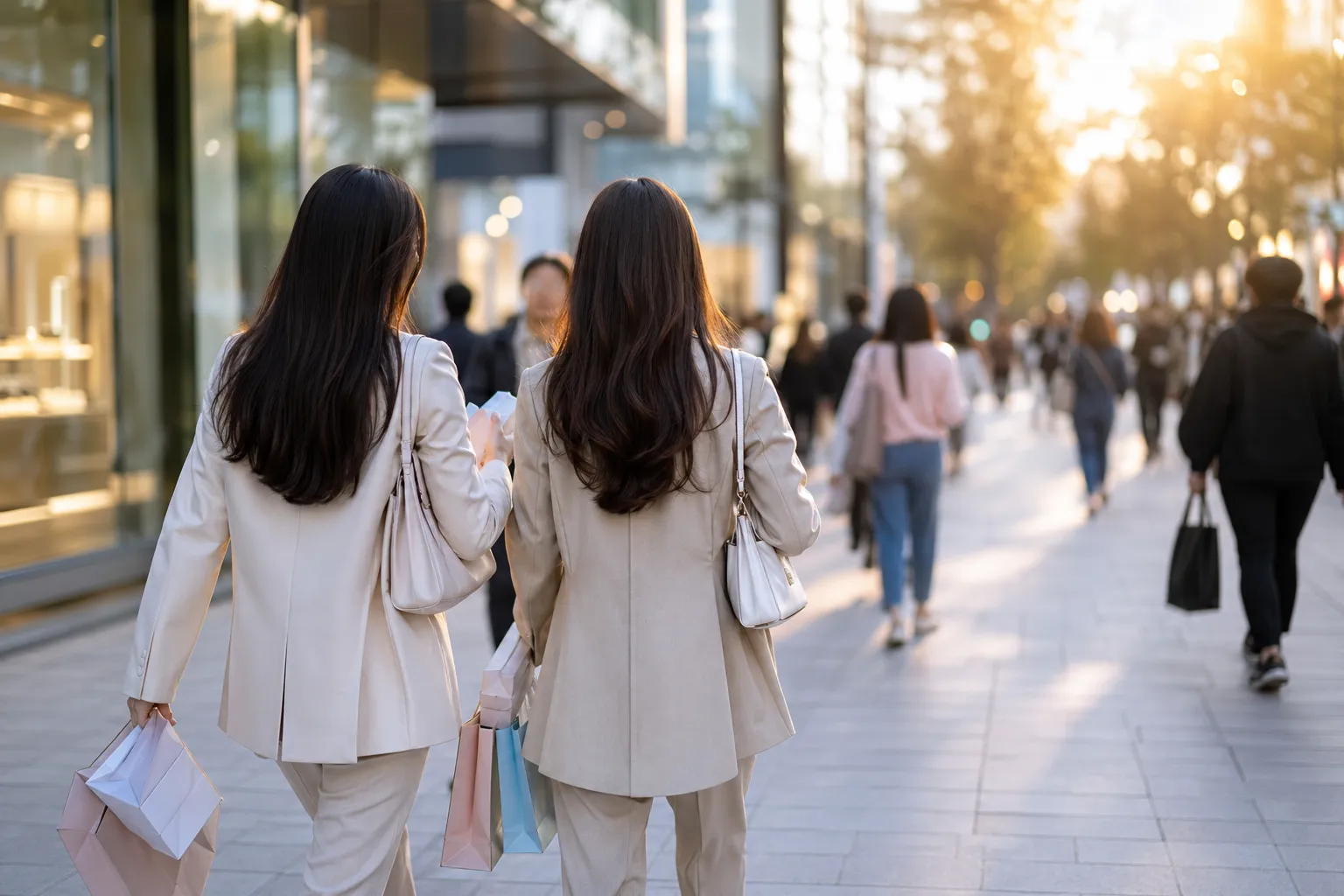
For travelers, that matters because a clinic visit is rarely the only reason to spend time in Seoul. Myeongdong, for example, has been described as shifting into a stay-based tourism district centered on K-medical and K-beauty businesses, including dermatology, dentistry, and plastic surgery. In practical terms, that means medical services sit close to cosmetics stores, restaurants, shopping streets, hotels, and transport links.
The change in Myeongdong is also visible through commercial vacancy data. The small-store vacancy rate in Myeongdong reportedly fell from 50.3% in the fourth quarter of 2021 to 1.2% in the second quarter of 2025, based on Korea Real Estate Board data. That sharp decline reflects a wider return of foreign tourist activity, with medical and beauty-related businesses becoming part of the district’s renewed commercial identity.
Gangnam and Hongdae add different strengths to the same map. The available information does not provide detailed patient counts by neighborhood, but it does identify them as major medical tourism areas. Together with Myeongdong, they show how Seoul skin tourism is not developing in a single isolated zone. It is spreading through places already connected to shopping, youth culture, beauty services, and urban travel.
The K-Beauty Travel Economy Around Skin Care
The money surrounding this market is significant. In 2024, foreign patients and their companions were estimated to have spent 7.5039 trillion won in Korea’s medical tourism economy. That figure includes more than a clinic bill; it points to the broader travel spending that can come with medical tourism, including companions, stays, meals, shopping, and related services.
At the same time, the available information suggests that the market is still developing. Demand for skin and cosmetic procedures is rising, but there have also been concerns about limited connections among hospitals, cosmetics brands, and tourism content. That is an important point for anyone trying to understand Seoul skin tourism clearly. The trend is large and visible, but the surrounding travel ecosystem is still being organized.
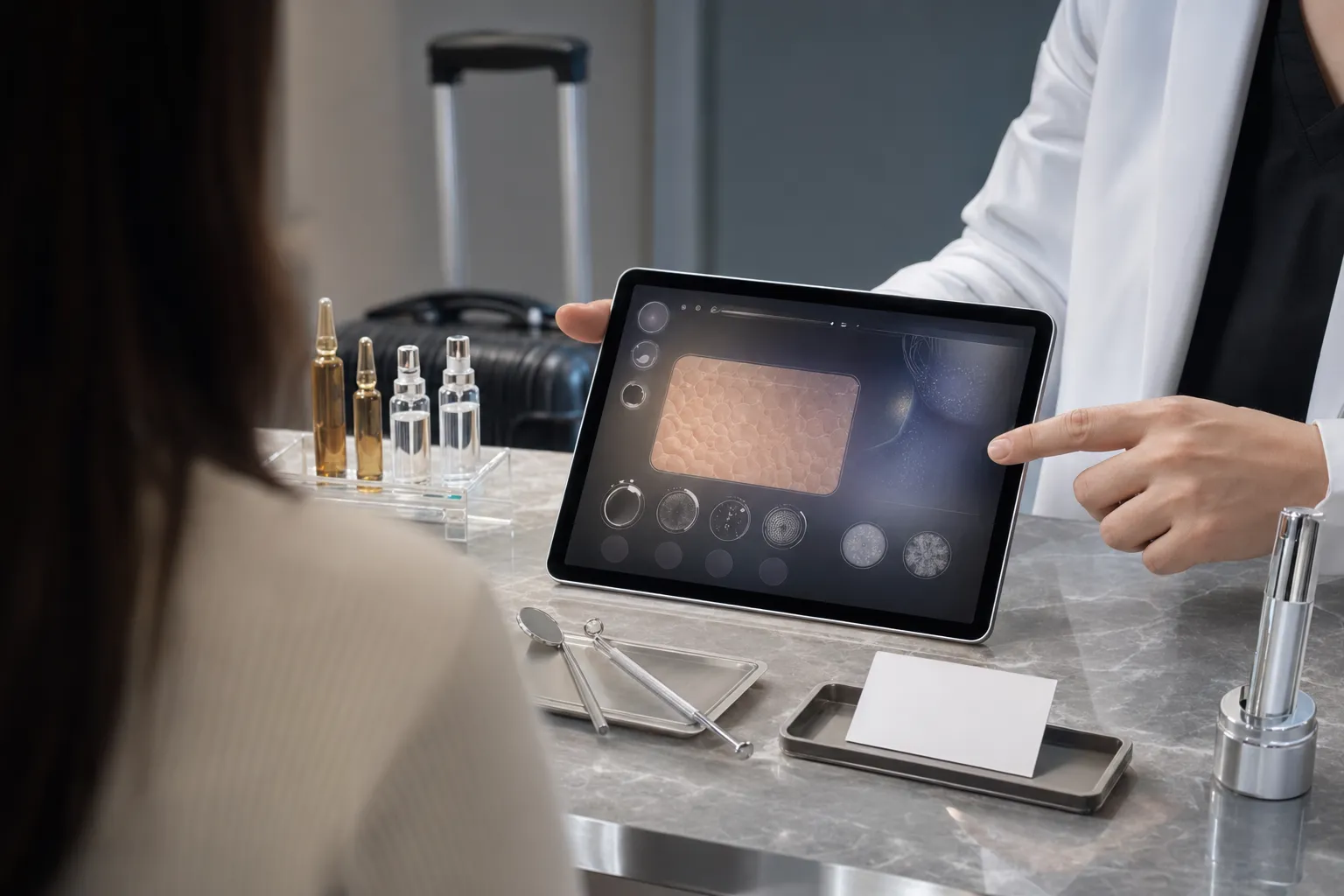
For visitors, the most useful way to view Seoul Skin Tourism is as a practical blend of dermatology, beauty culture, and city travel. The facts available show strong growth in foreign dermatology patients, a heavy concentration of interest around Seoul, and clear links to districts such as Myeongdong, Gangnam, and Hongdae. What they do not show is every traveler’s individual motivation or every clinic-level detail, so the most careful conclusion is also the most reliable one: Seoul has become a major center for foreign skin-care treatment, and that growth is now part of the city’s broader K-beauty tourism economy.
About the Author