Sejong University’s 세종대 러닝 한국문화 Program Bridges Campus and Community
When I first heard about Sejong University’s new offering for international undergraduates and exchange students, I imagined a typical language class tucked inside a lecture hall. What I found instead was a lively, outdoor‑based curriculum that turns the streets and greenery of Seoul Children’s Grand Park into a living classroom. The program, officially called 세종대 러닝 한국문화 (Running & Korean Culture), launched in the spring semester of 2026 and has quickly become a highlight for foreigners eager to feel the pulse of Korean daily life while staying active.
The core idea is simple yet powerful: use running and light physical activities as a gateway to cultural immersion. Rather than memorizing vocabulary from a textbook, students lace up their sneakers, hit the park’s winding trails, and absorb Korean customs through movement and play. The course design blends physical wellness with social learning, aiming to boost students’ health while deepening their understanding of local society and easing their adaptation to life in Korea.
About the 세종대 러닝 한국문화 Initiative
Sejong University’s L양글로벌칼리지 (Loyola Global College) developed this experiential subject specifically for the 2026‑1 semester cohort of foreign undergraduates and exchange students. The syllabus is structured around weekly outdoor sessions held in the park adjacent to the campus in Seoul’s Gwangjin‑gu district. Each meeting combines a guided run with traditional Korean games such as 무궁화꽃이 피었습니다 (the Korean version of “Red Light, Green Light”) and 경도, a folk‑style tug‑of‑war that encourages teamwork and laughter.
What makes the program stand out is its intentional focus on community harmony. Before each session, organizers analyze foot traffic patterns and timing to ensure that the students’ activities do not disturb regular park visitors or local residents. This careful planning is made possible through a partnership with 서울시설공단 (Seoul Facilities Corporation) and the management of 서울어린이대공원 (Seoul Children’s Grand Park). By leveraging public spaces in a respectful, coordinated way, the university showcases a model where academia and civic life reinforce each other.
How the Program Works: A Typical Session
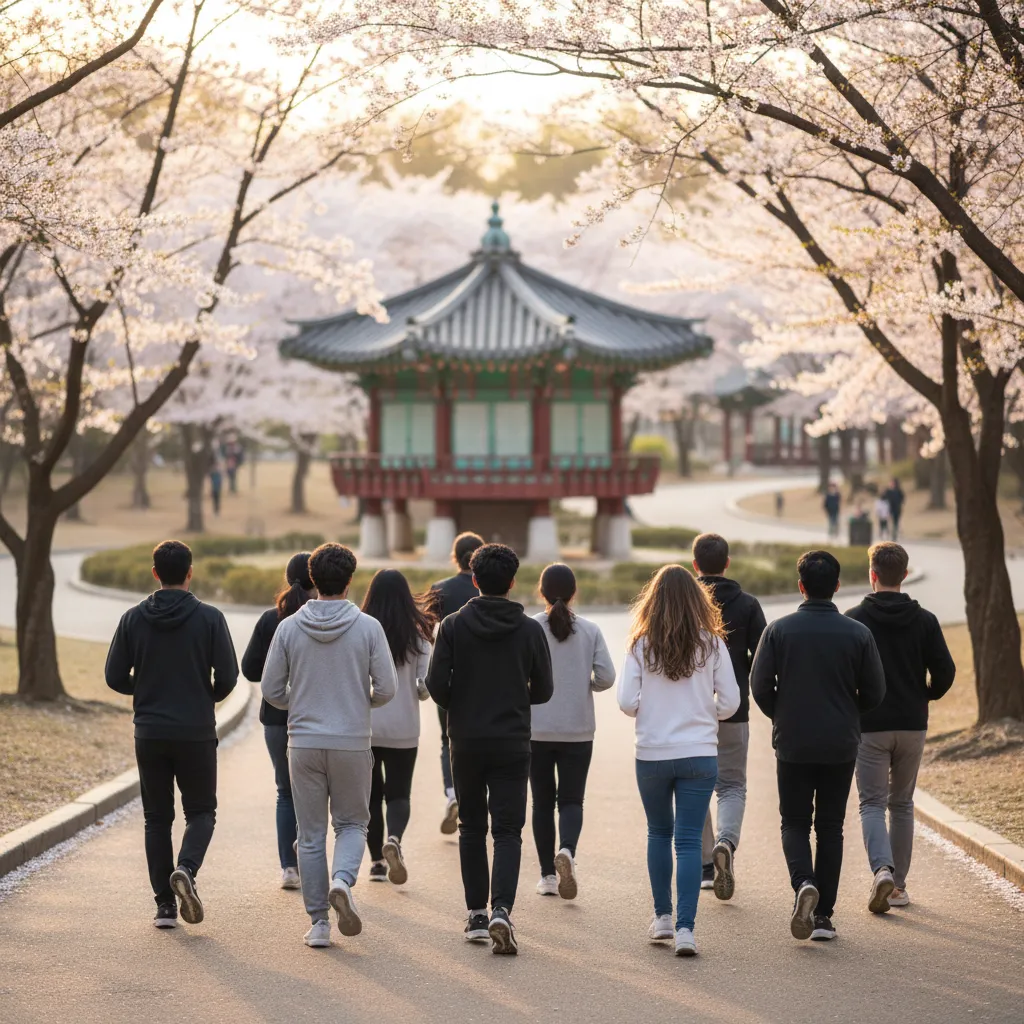
Imagine a crisp April morning when cherry blossoms are in full bloom. Students gather at the park’s entrance, where a brief warm‑up leads into a relaxed jog along the tree‑lined pathways. As they run, instructors point out notable features of the urban environment—everything from the architecture of nearby apartment complexes to the way Koreans utilize park spaces for family picnics and weekend leisure.
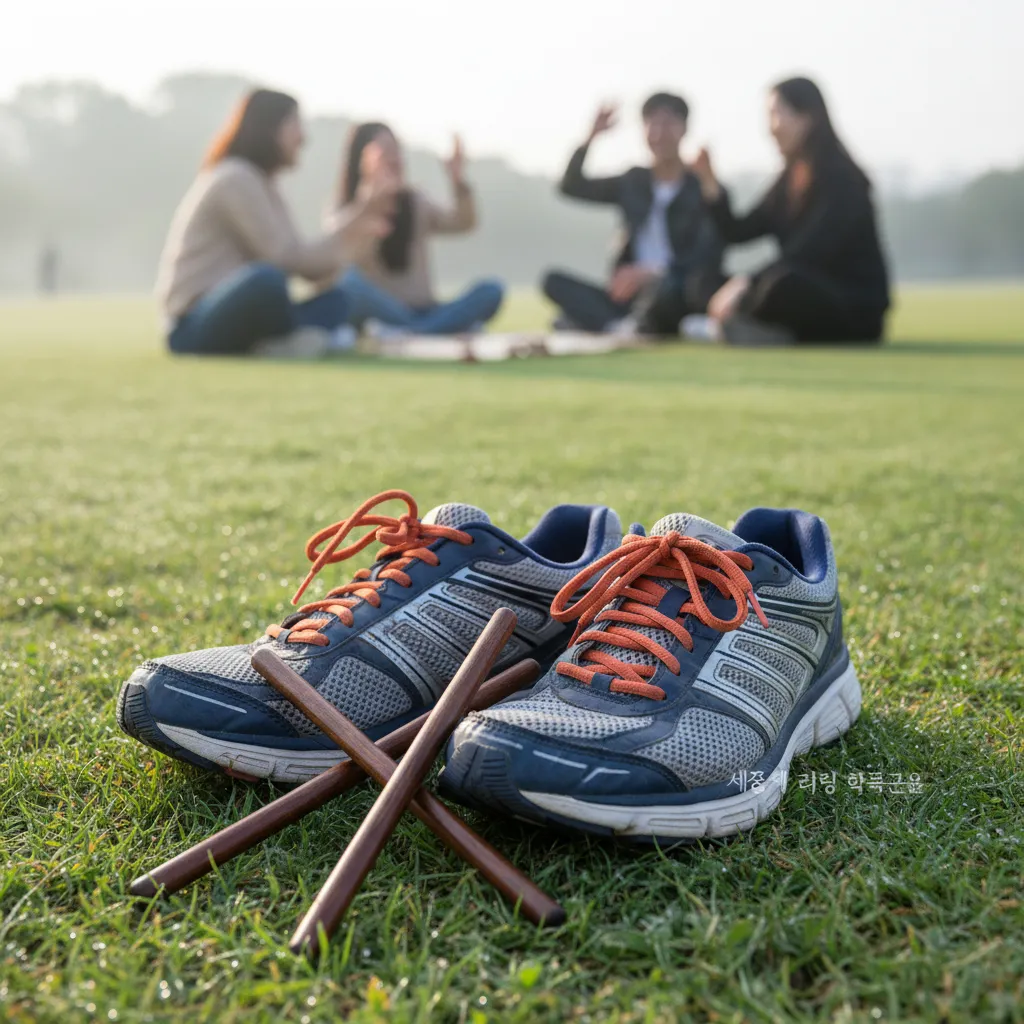
After the run, the group transitions to a series of cultural stations. One station might teach the rules and spirit of 무궁화꽃이 피었습니다, prompting students to call out “무궁화꽃이 피었습니다!” in unison while freezing mid‑motion. Another station introduces 경도, where participants split into teams, pull on a rope, and cheer each other on in Korean. These activities are not just fun; they serve as informal language practice, letting learners pick up everyday expressions, numbers, and gestures in a low‑pressure setting.
Throughout the session, facilitators encourage interaction between the international students and any curious Korean passersby who stop to watch. These spontaneous exchanges often become the most memorable part of the day, as students practice greetings, ask about local customs, and share stories from their home countries.
Benefits Beyond Fitness
The advantages of 세종대 러닝 한국문화 extend far beyond improved cardiovascular health. Participants consistently report a heightened sense of belonging in Seoul. By experiencing the city’s rhythms firsthand—hearing the chatter of street vendors, noticing the etiquette of queueing at a bus stop, or observing how elders greet each other—they gain cultural insights that textbooks simply cannot convey.
Moreover, the program nurtures peer connections among the foreign student body. Because the activities are team‑oriented, students from different continents find common ground while navigating a new language together. This camaraderie eases the typical challenges of homesickness and academic adjustment, creating a supportive network that lasts beyond the semester.
From the university’s perspective, the initiative exemplifies a forward‑thinking educational model. Sejong’s leadership emphasizes that international student support must move past basic orientation sessions and immerse learners in the authentic fabric of Korean society. By treating the entire urban landscape as a learning environment, the school opens doors to interdisciplinary exploration—students can later reflect on their park experiences in sociology, urban studies, or even business classes.
Community Voices and Future Plans
Local officials have welcomed the collaboration. 손성일, director of 서울어린이대공원, described the program as “a meaningful case where universities and public facilities cooperate to maintain public order while creating educational value.” He highlighted how the initiative helps foreign students blend naturally into the community, a goal that aligns with the park’s mission of serving as a welcoming green space for all.
Looking ahead, Sejong University intends to expand the concept. Plans are already underway to integrate other public venues—such as riverside trails, cultural museums, and neighborhood markets—into the curriculum. The aim is to refine a scalable framework that other municipalities and public institutions can adopt, thereby enriching the experience of international learners across Korea.
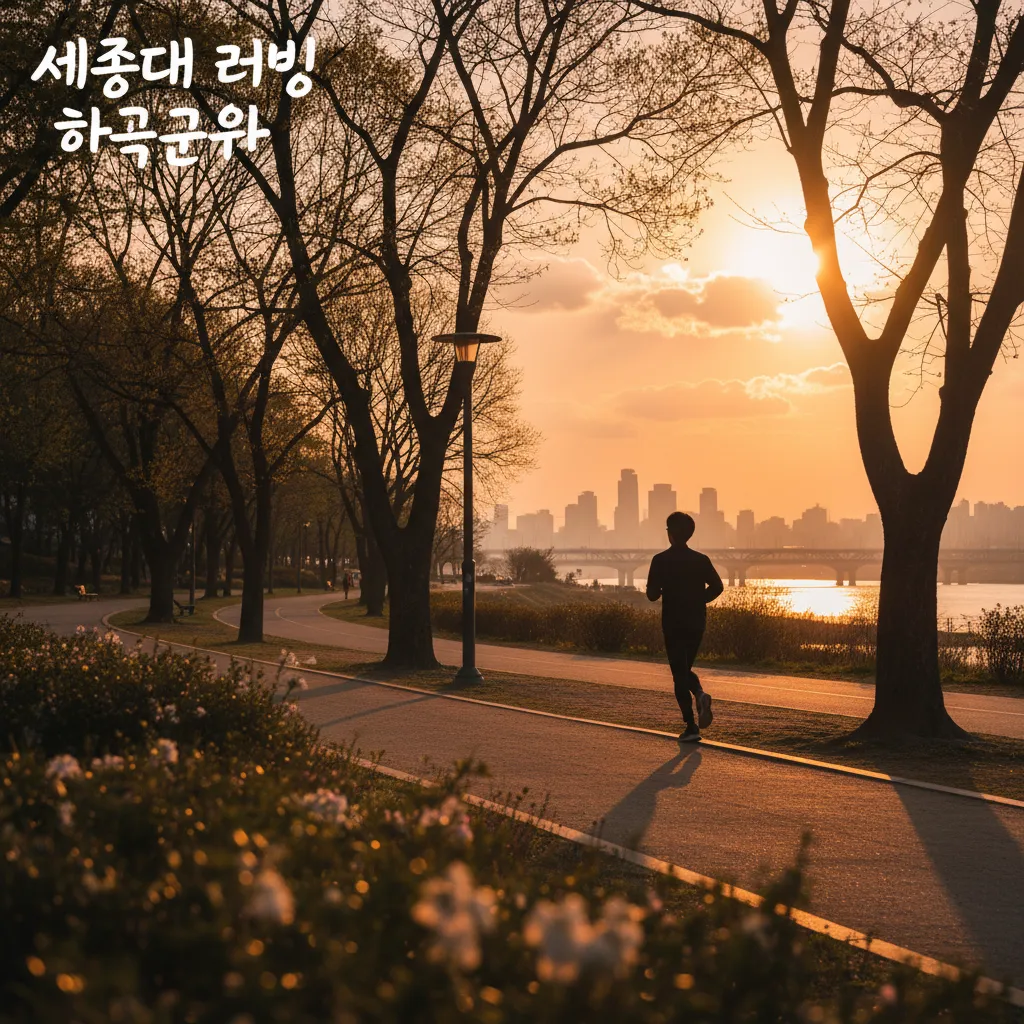
In closing, 세종대 러닝 한국문화 is more than a fitness class; it is a vibrant invitation to live, move, and connect with Korea in a way that feels both personal and profound. For anyone studying abroad in Seoul, slipping on a pair of running shoes and joining this park‑based adventure might just be the best way to turn a semester abroad into a lifelong memory.
About the Author